
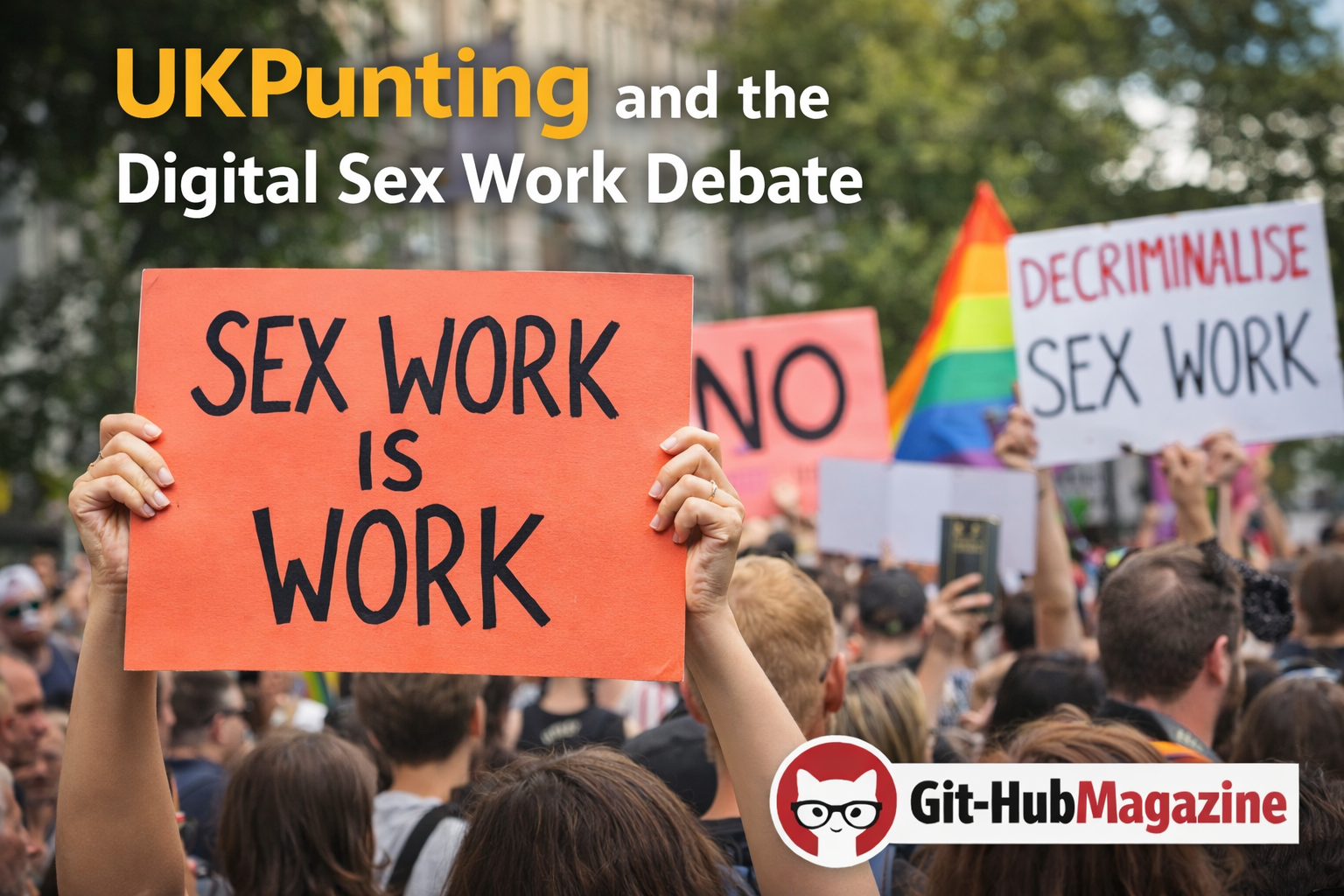
UKPunting and the Digital Sex Work Debate
I first encountered UKPunting while researching how the internet transformed industries that once operated in shadowed corners of classified ads and discreet word of mouth. For those searching what UKPunting is, the answer is direct: it is a UK based online forum where users discuss, review, and exchange information about escort services and adult providers across Britain. Established in the early 2000s, the site became one of the country’s most prominent escort review communities, functioning as both a directory and a discussion board. Its existence sits at the intersection of legality, anonymity, commerce, and digital culture. In the United Kingdom, prostitution itself is legal, but many related activities such as brothel keeping and solicitation are criminalized under laws including the Sexual Offences Act 1956 and subsequent amendments. Within that complex legal framework, online forums like UKPunting emerged as informational hubs rather than direct service providers. Over the past two decades, as sex work advertising moved from street corners to digital platforms, forums such as UKPunting have reflected broader changes in technology, regulation, and public debate. Examining the site offers insight not only into escort review culture but also into how digital spaces mediate risk, reputation, and power in a controversial yet enduring sector of British society.
The Legal Landscape of Sex Work in Britain
Understanding UKPunting requires clarity about British law. In England and Wales, exchanging sexual services for money between consenting adults is not illegal. However, activities such as soliciting in public, operating a brothel, or controlling prostitution for gain are criminal offenses under legislation including the Sexual Offences Act 1956 and the Policing and Crime Act 2009.
This patchwork framework creates ambiguity. Online escort advertising platforms have historically operated in a gray zone, arguing they are hosting user generated content rather than facilitating illegal activity. The Crown Prosecution Service has stated that enforcement often focuses on exploitation, trafficking, and coercion rather than consensual adult transactions.
Criminologist Teela Sanders of the University of Leicester has written extensively about the shift from street based sex work to indoor and online markets, noting that digital platforms have altered both risk and visibility. UKPunting emerged during that digital transition, functioning as an informal reputation system within a partially criminalized environment.
The Rise of Online Escort Forums
In the early 2000s, as broadband internet expanded across the United Kingdom, adult classified advertising moved rapidly online. Websites such as AdultWork and review forums like UKPunting offered structured spaces where clients could discuss experiences and exchange information.
These forums typically included regional boards, coded language, and moderation policies intended to limit explicit content. While critics saw them as facilitating prostitution, defenders argued they created transparency in a sector where information had historically been opaque.
Digital culture scholar Dr. Jamie Woodcock has observed that online platforms transform informal economies by introducing rating systems and peer verification. In that sense, UKPunting resembles other review driven ecosystems, from restaurant platforms to ride sharing apps, though its subject matter remains controversial.
The anonymity afforded by pseudonymous usernames allowed participants to speak openly, but it also complicated accountability. Moderation became central to maintaining both community standards and legal compliance.
Structure and Community Dynamics
UKPunting operates as a forum rather than a direct booking service. Users create accounts, post reviews, and comment on discussions. Threads are typically organized by geographic region, allowing members to focus on local markets.
The forum includes sections dedicated to general discussion, safety warnings, and legal updates. Moderators enforce rules designed to prevent explicit material, personal attacks, or illegal solicitation within posts. This framework positions the site as informational rather than transactional.
Sociologist Nicola Mai has noted that digital spaces can produce informal codes of conduct among participants in stigmatized industries. On UKPunting, users often emphasize discretion, respect, and awareness of legal boundaries. Whether those norms are consistently upheld remains subject to debate, but the existence of structured guidelines reflects attempts at self regulation.
Legal Context Snapshot
| Legislation | Year | Relevance |
|---|---|---|
| Sexual Offences Act | 1956 | Criminalizes brothel keeping and related activities |
| Policing and Crime Act | 2009 | Introduced strict liability offense for paying for sex with a coerced person |
| Modern Slavery Act | 2015 | Targets trafficking and exploitation |
| Online Safety Act | 2023 | Expands platform responsibility for harmful content |
These laws frame the environment in which forums like UKPunting operate.
Reputation, Risk, and Information Sharing
One of the forum’s central functions is reputation building. In industries where transactions are private and services intangible, reviews shape trust. Users post accounts of encounters, often focusing on punctuality, communication, and professionalism rather than explicit detail.
Advocates of harm reduction argue that shared information can enhance safety for both clients and providers. The National Ugly Mugs scheme, a UK organization supporting sex workers, has documented how information sharing can reduce violence and exploitation.
Critics counter that public reviews risk objectification and privacy intrusion. The ethical tension revolves around consent, transparency, and the power imbalance inherent in public commentary.
Dr. Teela Sanders has written that online review systems create new forms of labor management within sex work, influencing how providers present themselves and interact with clients. In this sense, UKPunting participates in broader digital transformations of service industries.
Media Scrutiny and Public Debate
UKPunting and similar forums have periodically drawn media attention. British newspapers have examined how online platforms reshape sex work markets, particularly in the context of policing and trafficking concerns.
A 2018 report by the House of Commons Home Affairs Committee concluded that the current legal framework for prostitution in England and Wales is inconsistent and recommended reconsideration of aspects of the law. The committee acknowledged the role of online platforms in moving sex work indoors, with implications for both safety and enforcement.
Public debate often centers on whether such forums contribute to exploitation or provide transparency. Advocacy groups remain divided. Some feminist organizations call for stricter regulation or criminalization of buyers, while harm reduction advocates emphasize worker agency and digital autonomy.
The conversation around UKPunting reflects this broader ideological divide.
Technological Evolution and Moderation Challenges
As digital regulation has intensified, online forums face new scrutiny. The Online Safety Act 2023 imposes increased obligations on platforms to address harmful content. Although primarily focused on social media giants, the regulatory environment affects smaller forums as well.
Moderation on UKPunting involves balancing free expression with legal compliance. Content policies prohibit explicit imagery and direct advertising. Automated filtering tools and volunteer moderators work to enforce guidelines.
Technology analyst Graham Cluley has noted that niche forums often struggle with compliance costs compared with large platforms. The sustainability of such communities may depend on adapting to evolving digital governance standards.
The shift from desktop forums to mobile usage also shapes engagement patterns. Users increasingly access content through smartphones, changing how discussions unfold and how moderators monitor activity.
Timeline of Digital Shifts
| Period | Development |
|---|---|
| Early 2000s | Growth of broadband and online classified ads |
| Mid 2000s | Emergence of escort review forums |
| 2010s | Expansion of mobile access and social media integration |
| 2015 | Increased focus on trafficking under Modern Slavery Act |
| 2023 | Online Safety Act introduces expanded oversight |
These milestones contextualize UKPunting within broader technological change.
Ethical Dimensions and Gender Politics
The ethics of review forums intersect with gender politics. Critics argue that rating and reviewing sexual services commodifies intimacy and reinforces patriarchal norms. Others contend that consensual adult sex work should be treated as labor, subject to the same review dynamics as other services.
Professor Julia O’Connell Davidson, a sociologist specializing in migration and exploitation, has emphasized the importance of distinguishing between consensual sex work and trafficking. Conflating the two, she argues, can obscure nuanced realities.
UKPunting exists within that contested terrain. Its content may reflect autonomy for some participants and discomfort for others. The forum’s defenders assert that transparency empowers clients to avoid unsafe situations and providers to screen clients more effectively.
The debate remains unresolved, shaped by shifting social attitudes toward sexuality, commerce, and digital speech.
Economic Realities and Platform Sustainability
The economics of escort review forums differ from mainstream social media. Revenue typically derives from advertising, premium memberships, or affiliated links. Operating costs include server infrastructure, moderation, and legal consultation.
As mainstream payment processors tighten rules around adult content, smaller platforms may encounter financial constraints. The broader adult industry has faced account closures and advertising restrictions in recent years.
Economist Catherine Hakim has argued that sexual capital functions within market dynamics like other forms of labor. Online platforms alter those dynamics by introducing visibility and competition.
Whether UKPunting’s model remains sustainable depends on regulatory adaptation and user engagement. Its longevity suggests resilience, but digital ecosystems remain volatile.
Social Impact and Cultural Reflection
Beyond economics and legality, UKPunting reflects cultural attitudes toward sexuality and discretion. British society historically treated prostitution as a tolerated but stigmatized activity. Online forums render aspects of that hidden world visible.
The normalization of online reviews parallels shifts in other sectors. Consumers increasingly rely on peer commentary before purchasing services. The difference lies in the moral weight attached to sexual commerce.
Public health researchers have noted that indoor, online based sex work can reduce exposure to certain risks compared with street solicitation. Yet digital exposure introduces new vulnerabilities, including doxxing or harassment.
UKPunting sits at the crossroads of these competing narratives, embodying both the promise and perils of digital transparency.
Takeaways
• UKPunting is a UK based escort review forum established during the early broadband era.
• British prostitution law permits selling sex but criminalizes related activities such as brothel keeping.
• Online forums transformed reputation building within sex work markets.
• Regulatory developments like the Online Safety Act affect digital communities.
• Ethical debates center on consent, objectification, and harm reduction.
• The platform reflects broader shifts in digital anonymity and consumer review culture.
Conclusion
When I consider UKPunting within the broader arc of Britain’s social and technological history, I see a case study in how the internet reshapes contested industries. What once relied on whispered recommendations and printed classifieds now unfolds on moderated message boards. The forum does not exist in isolation. It is embedded within a legal framework that alternates between tolerance and restriction, and within cultural debates that remain unsettled. For some participants, it represents community and transparency. For critics, it symbolizes commodification and unresolved inequality. Yet its endurance underscores a fundamental truth about digital life: where there is demand for information, online networks will emerge to provide it. UKPunting’s story is therefore not solely about escort reviews. It is about how anonymity, reputation, and regulation intersect in the 21st century. In examining it, we glimpse the evolving relationship between technology and society’s most private transactions.
FAQs
What is UKPunting
It is a UK based online forum where users discuss and review escort services and related topics.
Is prostitution legal in the UK
Selling sex between consenting adults is legal, but activities like brothel keeping and solicitation are criminalized.
Does UKPunting provide escort bookings
No. It operates primarily as a discussion and review forum rather than a direct booking platform.
How has the internet changed sex work
Online platforms moved much activity indoors, increased visibility, and introduced reputation systems.
Are such forums regulated
They must comply with UK laws, including content moderation requirements and online safety regulations.

Related Posts

Test of Attractiveness Explained

Hywaze Smoke Shop and Modern Retail Trends