
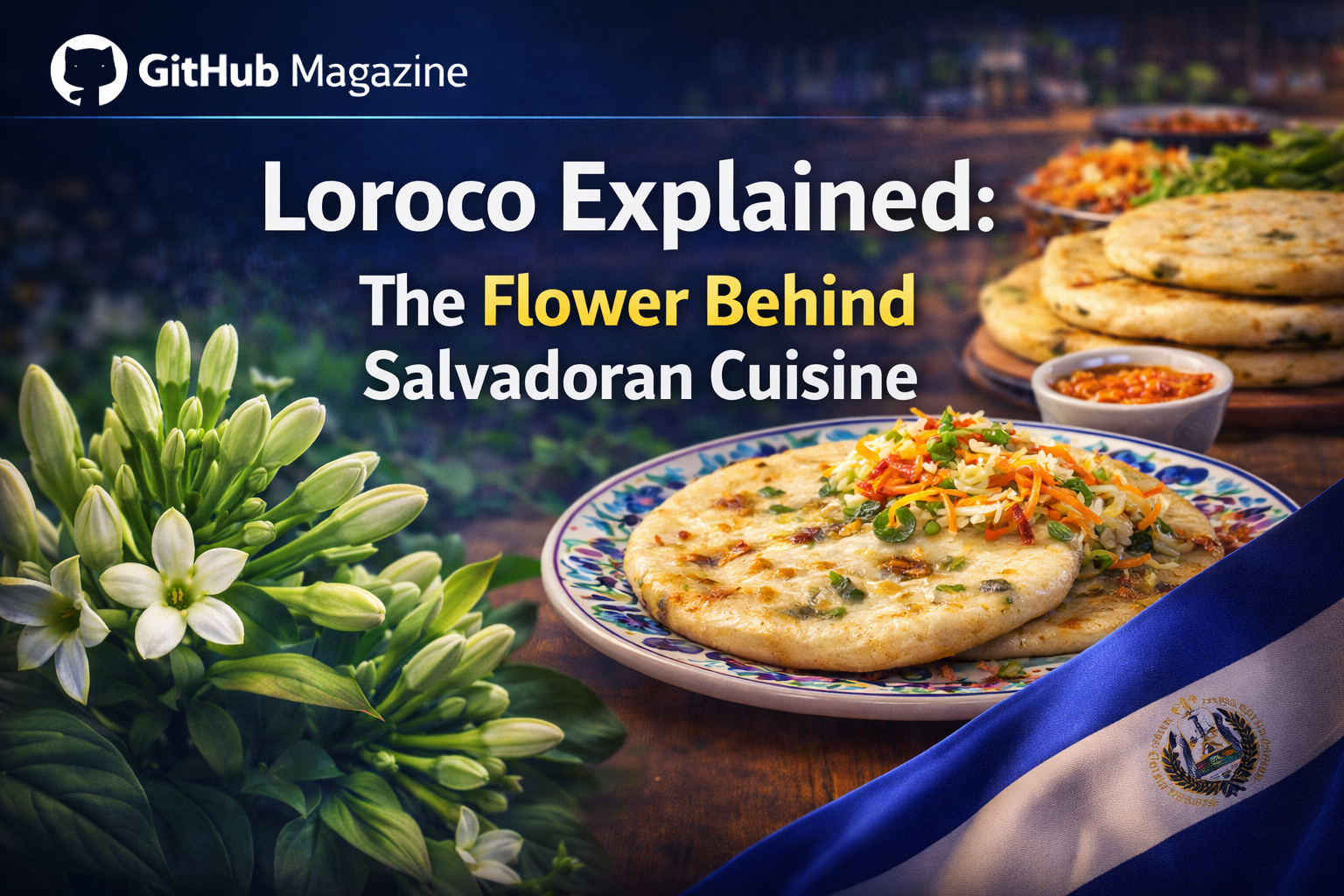
Loroco Insights: Culture, Cuisine, and Global Relevance
Loroco, the fragrant edible flower native to Central America, has long held a central place in Salvadoran cuisine. Its distinctive aroma and flavor transform simple dishes into culinary expressions of heritage. From pupusas filled with cheese and loroco to modern interpretations in contemporary gastronomy, this flower bridges centuries of tradition with present-day culinary creativity. Loroco’s significance extends beyond taste: it reflects agricultural practices, cultural memory, and the movement of communities across borders. As Salvadoran diaspora communities bring their kitchens to North America and beyond, loroco continues to connect people to their roots while inspiring chefs to experiment with its bold, herbal notes. Understanding loroco requires examining its botany, cultivation, sensory profile, and cultural resonance within a broader culinary and social context.
Botanical Overview and Cultivation
Loroco, scientifically known as Fernaldia pandurata, is a perennial climbing vine thriving in tropical climates. Its tender flower buds, harvested before blooming, are the edible component most commonly used in cooking. The plant features long, slender stems, elliptical leaves, and clusters of small blossoms that emit a potent aroma when cooked. Traditionally cultivated in home gardens, loroco grows well in small-scale, sustainable agricultural systems, making it both resilient and adaptable. Farmers propagate it through seeds or cuttings, and the plant thrives under warm temperatures and regular irrigation. Nutritionally, loroco is a source of vitamins A and C, iron, calcium, and antioxidants, contributing both flavor and health benefits to meals.
Flavor Profile and Culinary Uses
Loroco’s taste is complex, with herbal, slightly nutty, and earthy notes. Its aroma intensifies during cooking, creating a distinctive sensory experience that is central to Salvadoran cuisine. Most famously used in pupusas, loroco pairs seamlessly with cheese, eggs, and other mild, creamy ingredients that balance its pungency. Beyond pupusas, loroco appears in rice dishes, soups, tamales, and even contemporary fusion cuisine, demonstrating versatility as both seasoning and vegetable. Its ability to retain texture while releasing aroma makes it a sought-after ingredient for chefs looking to introduce authentic Central American flavors to modern plates.
Cultural Significance and Heritage
Loroco’s integration into Salvadoran cuisine reflects centuries of indigenous agricultural practices and food traditions. The flower became a cultural icon as it was paired with iconic dishes like pupusas, helping define regional culinary identity. Migration has played a key role in preserving loroco’s cultural relevance, particularly among Salvadoran communities abroad. The flower’s aroma and taste act as markers of memory, linking diaspora populations to their homeland. Loroco embodies resilience and continuity, serving as both a culinary and cultural ambassador.
Table: Botanical and Agricultural Profile
| Attribute | Details |
|---|---|
| Scientific Name | Fernaldia pandurata |
| Plant Type | Perennial climbing vine |
| Origin | Central America (El Salvador, Guatemala, Honduras) |
| Edible Part | Unopened flower buds |
| Optimal Temperature | 20–32°C |
| Harvest Cycle | May–October, year-round with irrigation |
| Propagation | Seeds or cuttings |
Nutritional Insights
Loroco offers nutritional value alongside its culinary appeal. It contains moderate amounts of protein, fiber, vitamins A and C, calcium, and iron, providing antioxidants and phytonutrients that support overall health. As a low-calorie, nutrient-rich ingredient, it complements diverse diets. In addition, traditional knowledge has long attributed digestive and calming properties to loroco, highlighting its dual role in both cuisine and folk medicine. The combination of flavor, nutrition, and cultural significance underscores loroco’s enduring importance in Central American food systems.
Table: Nutritional Content per 100g
| Nutrient | Approximate Value |
|---|---|
| Calories | 32 kcal |
| Protein | 2.6 g |
| Calcium | 58 mg |
| Iron | 1.1 mg |
| Vitamin A | 60 IU |
| Vitamin C | 12 mg |
| Fiber | 1.4 g |
Sustainability and Economic Potential
Loroco cultivation demonstrates potential for sustainable agriculture due to its adaptability and compatibility with small-scale farming systems. Increasing international demand, driven by diaspora communities and global culinary interest, has created opportunities for economic growth. Preservation techniques such as freezing, drying, and canning extend shelf life while maintaining flavor, enabling wider distribution. Challenges remain, including perishability and import regulations, but with proper infrastructure, loroco can serve as both a cultural export and a sustainable crop that supports local economies.
Expert Perspectives
Chef María Hernández emphasizes loroco’s sensory significance: “People smell it and immediately know where they belong.”
Food historian Ana Sofía Ramírez notes, “Loroco traveled with people. It became a symbol not only of cuisine but of resilience.”
Agronomist Luis Martínez observes, “Loroco demonstrates how local crops can create economic opportunity when supported by infrastructure and storytelling.”
Culinary Identity in a Global Context
As loroco enters international kitchens, it raises questions about authenticity, adaptation, and cultural representation. While chefs innovate, diaspora communities maintain traditional recipes, ensuring continuity and preserving heritage. Loroco’s journey reflects the broader narrative of regional foods gaining global recognition without losing cultural significance. Its presence in fusion cuisine, high-end restaurants, and specialty markets introduces new audiences to Salvadoran flavors while respecting its roots.
Takeaways
- Loroco is a fragrant edible flower central to Salvadoran cuisine.
- Its flavor combines herbal, nutty, and earthy notes that complement creamy or mild ingredients.
- Historically integrated into indigenous food systems, it embodies cultural heritage.
- Migration has helped spread loroco globally, linking diaspora communities to home.
- Nutritionally rich, it contains vitamins, minerals, and antioxidants.
- Small-scale cultivation supports sustainable agriculture and rural economies.
- Global culinary interest has expanded its reach without erasing traditional significance.
Conclusion
Loroco exemplifies the interplay between culture, cuisine, and agricultural sustainability. Its aromatic flavor serves as a sensory bridge between tradition and modern innovation, connecting Central American heritage to global culinary experiences. Through diaspora preservation, contemporary culinary adaptation, and ongoing agricultural development, loroco continues to thrive both as an ingredient and as a symbol of cultural identity. Its story reflects broader themes of migration, resilience, and the enduring significance of local foods in a globalized world.
FAQs
What does loroco taste like?
Loroco has a pungent, herbal flavor with nutty undertones, often paired with cheese or creamy ingredients to balance intensity.
Where is loroco native to?
Loroco originates from Central America, particularly El Salvador, Guatemala, and Honduras, where it has been traditionally cultivated.
Is loroco nutritious?
Yes. It contains vitamins A and C, calcium, iron, fiber, and antioxidants, providing nutritional benefits alongside flavor.
Why is loroco commonly used in pupusas?
Its strong, distinctive flavor complements the mild cheese and corn-based dough, creating the characteristic taste of Salvadoran pupusas.
Can loroco be grown outside Central America?
It can be cultivated in controlled environments like greenhouses, though fresh export may face agricultural regulations and perishability challenges.

Related Posts

Rowdy Oxford Lawsuit Explained

Stevens Disposal and Waste Management Systems