
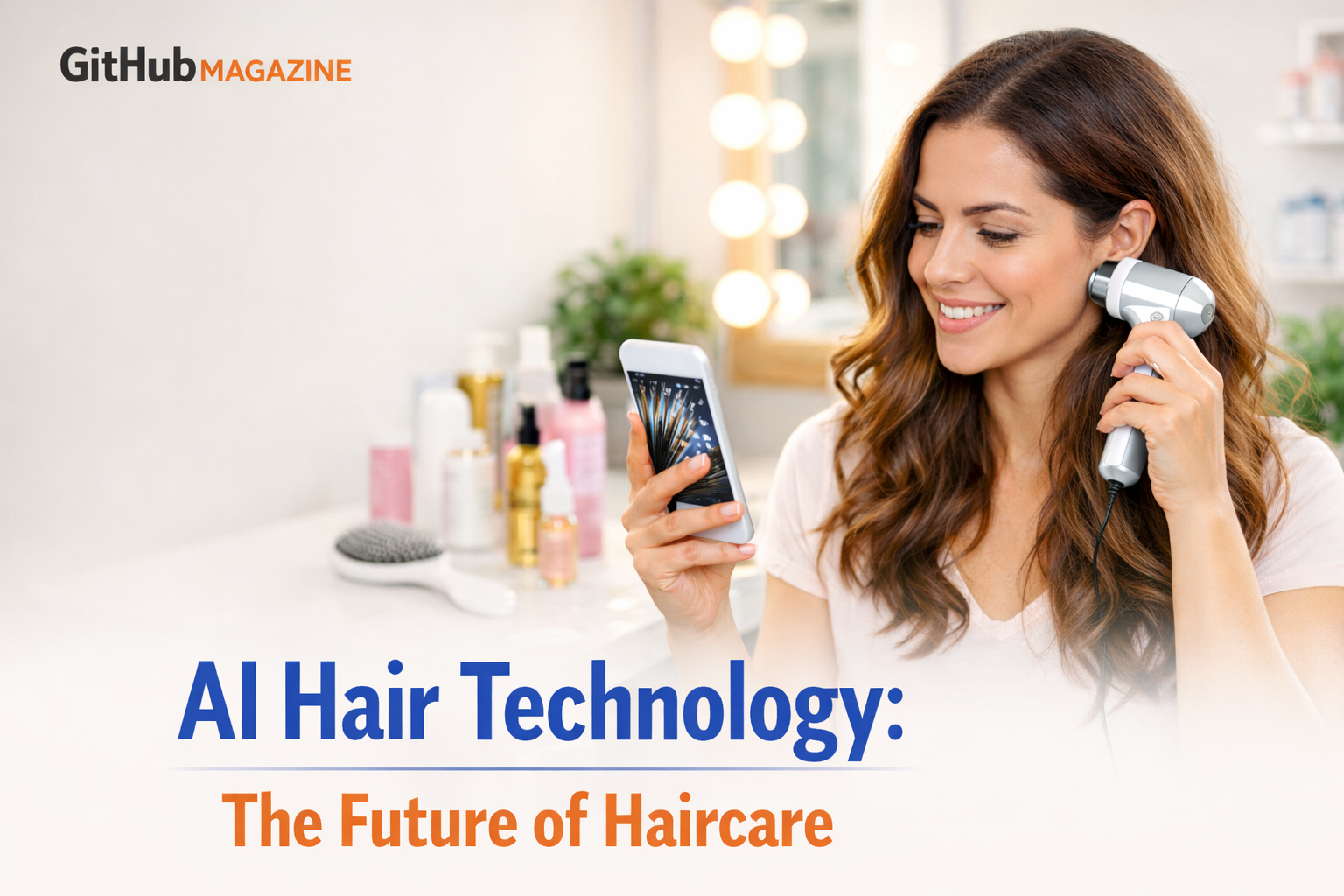
AI Hair Technology and the Future of Haircare
aihair Hair has always been tied to identity, culture, and confidence. In recent years, however, a new force has begun to change how we understand and care for it: artificial intelligence. AI-powered systems are increasingly capable of analyzing hair health, diagnosing scalp conditions, and recommending personalized treatments with a level of precision that traditional haircare approaches rarely achieved. In the first moments of encountering these systems, the central idea becomes clear: algorithms can now read the biology of hair.
When I first began examining this shift, the most striking aspect was how quickly the technology moved from laboratories to everyday use. AI hair analysis tools can scan microscopic scalp images, analyze thousands of follicles in seconds, and detect early signs of thinning or damage. Instead of relying on generalized hair advice, consumers and clinicians are beginning to rely on data-driven insights.
Across dermatology clinics, beauty salons, and technology startups, AI systems are analyzing patterns in hair density, follicle structure, scalp conditions, and hair fiber characteristics. These insights allow professionals to detect problems earlier and recommend personalized care strategies. The result is a transformation of the haircare industry from intuition-based advice to measurable science.
The implications reach beyond cosmetic care. Hair loss affects millions of people globally, often with emotional consequences. Artificial intelligence offers a path toward earlier diagnosis and more targeted treatment strategies. As the technology continues to evolve, the relationship between people and their hair may become one of the most fascinating intersections of biology and machine learning.
The Rise of AI Hair Diagnostics
Artificial intelligence entered the haircare world gradually, emerging first in research environments and medical dermatology settings. Over time, these systems became more accessible, and today they appear in salons, clinics, and even smartphone applications designed for consumer hair analysis.
AI hair diagnostics rely primarily on computer vision technology. High-resolution cameras capture images of the scalp and hair strands, while machine learning algorithms analyze those images to detect patterns related to follicle health, hair thickness, and density. These systems compare visual data against large datasets of previously analyzed hair images to determine whether specific characteristics indicate healthy growth or potential hair loss.
One of the most significant advantages of AI diagnostics is the ability to detect early-stage hair thinning. Hair loss disorders often progress gradually, making them difficult to identify in early stages through simple visual observation. AI models can identify subtle changes in follicle structure and hair density that may signal the beginning of conditions such as androgenetic alopecia.
Dermatologists increasingly view these tools as valuable companions in clinical evaluation. Instead of relying solely on occasional patient visits, AI systems allow continuous monitoring of hair health. Over time, this ability to track changes in hair growth patterns may transform how hair loss is diagnosed and treated.
Inside the Technology Behind AI Hair Analysis
The science behind AI hair technology involves multiple layers of digital analysis. At its core, the system processes visual information captured through imaging devices and converts that data into measurable metrics about hair and scalp health.
The analysis process often begins with image preprocessing. Cameras capture detailed images of the scalp, which are then cleaned and enhanced through software algorithms. After preprocessing, the system separates hair strands from the scalp surface using segmentation techniques that allow the AI model to examine each follicle individually.
Machine learning models then classify the observed features. These models have been trained on large datasets of hair images representing diverse hair types and scalp conditions. Over time, they learn to recognize patterns associated with healthy hair growth, thinning hair, dandruff, scalp inflammation, or other conditions.
Core Technologies Behind AI Hair Analysis
| Technology | Function | Example Application |
|---|---|---|
| Computer Vision | Identifies hair strands and scalp structures | Detecting thinning areas |
| Machine Learning | Learns patterns from large hair datasets | Predicting hair loss risk |
| High-Resolution Imaging | Captures detailed follicle images | Measuring hair density |
| Data Analytics | Tracks changes over time | Monitoring treatment effectiveness |
Some experimental approaches extend beyond visual imaging. Researchers are exploring technologies that analyze sound interactions with hair fibers to estimate properties such as moisture levels and structural characteristics. These developments suggest that future AI hair diagnostics may combine several types of sensors rather than relying solely on cameras.
Beauty Technology Companies Embrace AI Hair Tools
The rapid growth of AI hair analysis has attracted the attention of global beauty companies. Cosmetic brands increasingly view artificial intelligence as a way to personalize haircare services and products for consumers.
In many salons today, stylists use digital scalp scanners that capture microscopic images of the scalp and hair follicles. The system analyzes the data and generates reports describing scalp health, hair thickness, and growth patterns. Based on these insights, stylists can recommend treatments tailored to the individual client.
For beauty brands, AI represents an opportunity to shift from mass-market recommendations to personalized product strategies. Instead of suggesting the same shampoo or conditioner for broad hair categories, companies can tailor suggestions based on detailed biological analysis of each consumer’s hair.
This shift reflects a broader trend within the beauty industry toward data-driven personalization. Consumers increasingly expect products and treatments that match their unique biological characteristics rather than generalized marketing categories.
Startups Driving Innovation in AI Hair Technology
While major beauty corporations are investing heavily in AI research, smaller technology startups are also shaping the future of AI hair analysis. Many of these companies focus on building large datasets of hair images and developing algorithms capable of classifying hair types and conditions.
Some platforms function as digital hair consultants. Users upload photographs of their hair and scalp, and the AI system evaluates characteristics such as texture, density, and damage levels. The system then recommends personalized haircare routines or products designed to address the identified issues.
Other startups focus on medical applications. These companies develop AI models capable of diagnosing hair loss disorders and recommending treatment plans based on scientific research and clinical data.
Emerging AI Hair Platforms
| Platform Type | Primary Function | Technology Used |
|---|---|---|
| Consumer AI Hair Apps | Personal haircare recommendations | Image analysis algorithms |
| Clinical Diagnostic Systems | Detect hair loss conditions | Deep learning models |
| Salon Scalp Scanners | Professional scalp assessment | High-resolution imaging |
| Research AI Platforms | Hair biology data analysis | Machine learning datasets |
The rapid emergence of these platforms suggests that the AI hair ecosystem is still evolving. As algorithms become more sophisticated and datasets expand, the accuracy and usefulness of these systems are expected to improve significantly.
Artificial Intelligence and the Science of Hair Loss
Hair loss remains one of the most common dermatological concerns worldwide. Millions of individuals experience conditions such as androgenetic alopecia, alopecia areata, or telogen effluvium during their lifetime. For decades, diagnosis and treatment often relied on visual inspection and patient-reported symptoms.
Artificial intelligence offers a new approach. By analyzing images of the scalp and follicles, AI systems can detect patterns associated with specific hair loss disorders. These patterns include changes in follicle size, hair density distribution, and the presence of miniaturized hairs.
AI models can also analyze multiple variables simultaneously. Factors such as genetics, hormonal changes, environmental influences, and lifestyle habits can all contribute to hair loss. Machine learning systems are capable of evaluating these variables together, identifying relationships that may not be obvious to clinicians working with limited information.
This capability may eventually transform treatment strategies. Instead of relying on generalized treatments, dermatologists could use AI insights to design personalized therapies targeting the underlying causes of hair loss.
Data as the Foundation of Personalized Haircare
Behind every AI hair analysis system lies an enormous volume of data. The performance of machine learning models depends heavily on the quality and diversity of the datasets used during training.
Hair analysis datasets typically include thousands or millions of annotated images showing different scalp conditions, hair textures, and growth patterns. These datasets allow algorithms to learn the subtle differences between healthy follicles and those affected by conditions such as thinning or inflammation.
Large datasets also help improve inclusivity in AI hair analysis. Hair types vary widely across populations, and accurate analysis requires representation of diverse textures, densities, and scalp characteristics.
Researchers have increasingly emphasized the importance of building datasets that represent the full spectrum of human hair diversity. Doing so helps ensure that AI systems can provide reliable recommendations regardless of hair type or ethnicity.
Ethical Questions Surrounding AI in Beauty Technology
The integration of artificial intelligence into beauty technology raises several ethical considerations. One major concern involves data privacy. AI hair analysis often requires users to upload detailed images of their scalp and hair, which may reveal sensitive information about health or genetics.
Ensuring secure storage and responsible use of this data is essential. Companies developing AI hair technologies must implement strong privacy protections and transparent policies regarding how user data is stored and used.
Another issue involves algorithmic bias. If training datasets lack diversity, AI systems may produce less accurate results for certain hair types or demographic groups. Developers are increasingly aware of this challenge and are working to build more inclusive datasets.
Responsible innovation will likely become a central focus as AI hair technologies become more widespread. Ensuring fairness, transparency, and data protection will play a crucial role in maintaining consumer trust.
Key Takeaways
- Artificial intelligence is transforming how hair health is analyzed and understood.
- AI hair diagnostics rely on computer vision, machine learning, and high-resolution imaging.
- Beauty companies and technology startups are investing heavily in AI-powered hair analysis tools.
- AI systems can detect early signs of hair loss and help personalize treatment strategies.
- Large datasets improve the accuracy and inclusivity of AI hair analysis.
- Ethical issues such as data privacy and algorithmic bias remain important considerations.
Conclusion
Artificial intelligence is gradually redefining the science of haircare. What once depended on visual observation and personal experience is increasingly guided by data, imaging technology, and machine learning. Through these tools, scientists and dermatologists can study hair follicles in unprecedented detail.
I often think of hair as something deceptively simple. It grows, falls out, and grows again. Yet within each strand lies a complex biological system influenced by genetics, hormones, health, and environment. Artificial intelligence is finally providing researchers with the analytical power needed to understand those complexities.
The future of haircare will likely combine biology, technology, and personalization. Consumers may one day rely on AI systems to monitor scalp health continuously, predict hair changes, and recommend treatments tailored to their unique biology.
In that future, haircare will no longer be guided solely by tradition or trial and error. Instead, it will be informed by algorithms capable of reading the intricate signals hidden within every follicle.
FAQs
What is AI hair technology?
AI hair technology uses artificial intelligence and image analysis to study scalp health, hair density, and follicle conditions. It helps professionals diagnose hair problems and recommend personalized treatments.
Can AI predict hair loss?
AI systems can analyze patterns in hair density and follicle health to identify early signs of hair thinning, allowing potential hair loss to be detected earlier than traditional observation.
Are AI hair analysis tools used in salons?
Yes. Many modern salons use scalp scanners and AI analysis tools to evaluate hair health and provide customized treatment recommendations.
Is AI hair analysis safe?
AI hair analysis typically involves capturing images of the scalp and hair. Safety largely depends on how companies store and protect user data.
Can AI recommend haircare routines?
Yes. Many AI systems analyze hair type, scalp health, and environmental factors to recommend personalized haircare routines and suitable products.