Max80 Review: Streaming, Risks, and Legality
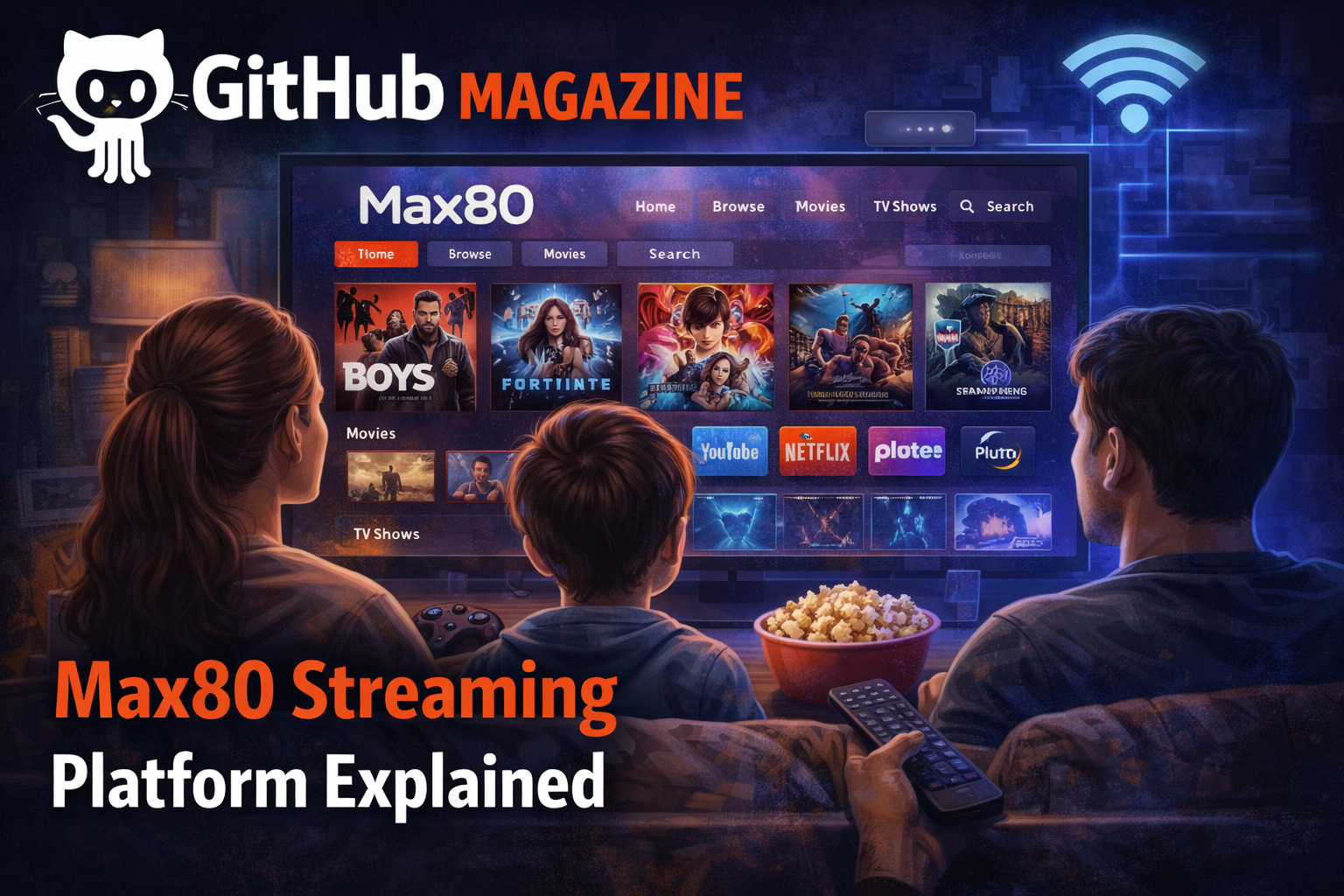
Max80 is commonly described as a free online streaming website that allows users to watch movies and television shows without paying subscription fees or creating mandatory accounts. For readers searching for clarity, Max80 functions as an ad-supported streaming portal that provides browser-based access to a wide catalog of films and series. Its appeal lies in instant availability and zero upfront cost. In a media environment shaped by rising subscription fatigue and fragmented streaming libraries, platforms like Max80 attract viewers who seek convenience without monthly commitments.
Yet the convenience of free streaming exists within a complicated legal and economic framework. Unlike licensed platforms that negotiate content rights and compensate creators, free streaming sites often operate outside formal distribution agreements. Their growth reflects a broader transformation in digital consumption patterns. As global audiences demand on-demand access and affordable options, unauthorized platforms gain visibility. Understanding Max80 requires examining technology infrastructure, copyright frameworks, consumer behavior, and the ethical tensions that define today’s streaming landscape.
The Structure of Max80
From a functional perspective, Max80 mirrors legitimate streaming services in design. It typically offers searchable categories, genre filters, and embedded video players that stream content directly within a web browser. Users can navigate through recent releases or trending titles without registration barriers.
Feature | Description | Viewer Impact
Content Library | Wide selection of films and shows | Broad entertainment access
Cost | Free | No subscription required
Registration | Often optional | Immediate streaming
Revenue Model | Advertising-based | Exposure to pop-ups
Platform Access | Browser-based | Device flexibility
The interface emphasizes simplicity and speed. However, the absence of formal licensing distinguishes it from regulated streaming services. That structural difference defines its legal and ethical debates.
Legal Landscape and Copyright Considerations
Copyright law grants creators exclusive rights to reproduce, distribute, and publicly display their works. In most jurisdictions, streaming copyrighted audiovisual content without authorization constitutes infringement. International agreements and domestic statutes provide legal mechanisms for enforcement.
Under frameworks such as the Digital Millennium Copyright Act, rights holders can request removal of infringing material. Civil litigation and, in severe cases, criminal penalties may apply to operators of unauthorized platforms. Enforcement, however, varies widely across borders.
Legal Element | Purpose | Implication
Exclusive Rights | Protect creators’ works | Requires licensing
Takedown Requests | Remove infringing content | May prompt domain changes
Civil Liability | Seek financial damages | Targets operators
Criminal Enforcement | Severe violations | Jurisdiction-dependent
Max80’s operational model often places it within this contested legal space. While users may experience seamless streaming, the underlying distribution of content frequently bypasses licensing agreements.
Economic Implications for the Industry
The global entertainment industry relies heavily on structured revenue streams, including theatrical releases, subscription services, and digital rentals. Production budgets, employment for cast and crew, and long-term creative investment depend on predictable income.
Unauthorized streaming can disrupt these revenue channels. When audiences substitute free access for paid services, studios and independent creators may lose potential earnings. The impact is particularly significant for smaller production companies that rely on licensing deals for financial stability.
At the same time, the rise of platforms like Max80 highlights market dissatisfaction. Subscription costs accumulate quickly when consumers must maintain multiple services to access different content libraries. This fragmentation creates economic pressure and fuels demand for centralized, no-cost alternatives.
Cybersecurity and User Protection
Free streaming platforms frequently monetize traffic through third-party advertising networks. Without strong oversight, these networks can host intrusive or deceptive advertisements. Users may encounter redirect links, misleading download prompts, or phishing attempts.
Unlike regulated streaming services that follow data protection standards, unauthorized platforms may not maintain transparent privacy policies. This increases exposure to malware risks and personal data vulnerabilities.
Digital security professionals consistently recommend caution when interacting with unverified streaming sites. Protective measures such as antivirus software and browser security extensions may reduce risk, but they cannot guarantee complete safety in unregulated environments.
Cultural Shifts and Subscription Fatigue
The popularity of Max80 cannot be separated from broader cultural dynamics. Over the past decade, streaming expanded rapidly, offering unprecedented choice. However, as more companies launched proprietary platforms, content became siloed. Consumers who once accessed broad libraries through a single subscription now face multiple monthly payments.
This phenomenon, often described as subscription fatigue, reshapes viewing behavior. Audiences seek affordability and consolidated access. Free streaming platforms provide that consolidation, even if legality remains questionable.
Legal ad-supported models demonstrate that audiences are willing to accept advertising in exchange for free content. The contrast between licensed free services and unauthorized platforms suggests that accessibility, not illegality itself, drives demand.
Technology Infrastructure and Digital Persistence
Max80 and similar platforms leverage global cloud infrastructure, distributed hosting, and embedded media players. These technologies are neutral tools used across the digital ecosystem. The ethical distinction depends on how they are deployed.
Operators may shift domains or create mirror sites to maintain availability. This resilience complicates enforcement efforts and reflects the decentralized architecture of the modern internet.
Technology Component | Function | Enforcement Challenge
Cloud Hosting | Global content distribution | Jurisdictional complexity
Mirror Domains | Replace blocked URLs | Rapid reappearance
Embedded Media | Browser-based playback | Source tracing difficulty
Ad Networks | Monetization channel | Oversight inconsistency
The dual-use nature of digital infrastructure underscores the complexity of regulating online content distribution.
Ethical Debate and Industry Response
The debate surrounding Max80 involves competing priorities. On one side is consumer access—particularly in regions where legal streaming options are limited or expensive. On the other is the principle of compensating creators for their intellectual labor.
Ethically, widespread unauthorized streaming can reduce funding for independent films, documentaries, and niche storytelling. Sustainable creative industries require revenue streams. Yet equitable access to entertainment remains a global challenge.
Industry responses may include flexible pricing strategies, regional subscription adjustments, and expanded ad-supported offerings. Addressing consumer concerns about cost and fragmentation may reduce reliance on unauthorized platforms more effectively than enforcement alone.
Takeaways
• Max80 offers free streaming access without subscription requirements.
• Its model often operates outside formal licensing frameworks.
• Copyright law protects audiovisual works in most jurisdictions.
• Unauthorized streaming can undermine industry revenue structures.
• Users may face cybersecurity and privacy risks.
• Subscription fatigue contributes to its popularity.
• Legal ad-supported alternatives provide safer viewing options.
Conclusion
Max80 illustrates the central contradiction of modern digital media: technology enables limitless access, yet creative industries depend on structured compensation. The platform’s popularity reveals dissatisfaction with fragmented subscription ecosystems and rising entertainment costs. At the same time, it highlights the enduring importance of copyright protection and cybersecurity safeguards.
The long-term future of streaming may hinge on balance. If the industry can combine affordability, accessibility, and fair compensation, unauthorized platforms may lose relevance. If fragmentation and cost pressures persist, demand for free alternatives will likely continue. Max80, therefore, is not merely a website but a reflection of shifting digital expectations and the ongoing negotiation between access and accountability.
FAQs
What is Max80 used for?
Max80 is used to stream movies and television shows online without subscription fees or account registration.
Is Max80 legal?
Streaming copyrighted content without proper authorization generally violates copyright laws in many countries.
How does Max80 generate revenue?
It typically relies on advertising networks rather than subscription payments.
Are there risks in using Max80?
Users may encounter malware, intrusive advertisements, or phishing attempts.
What are safer alternatives?
Licensed ad-supported streaming platforms offer free, legal content with stronger security protections.

Related Posts

Best Programming Languages to Learn in 2026
Why Your Computer Says System Repairing Itself