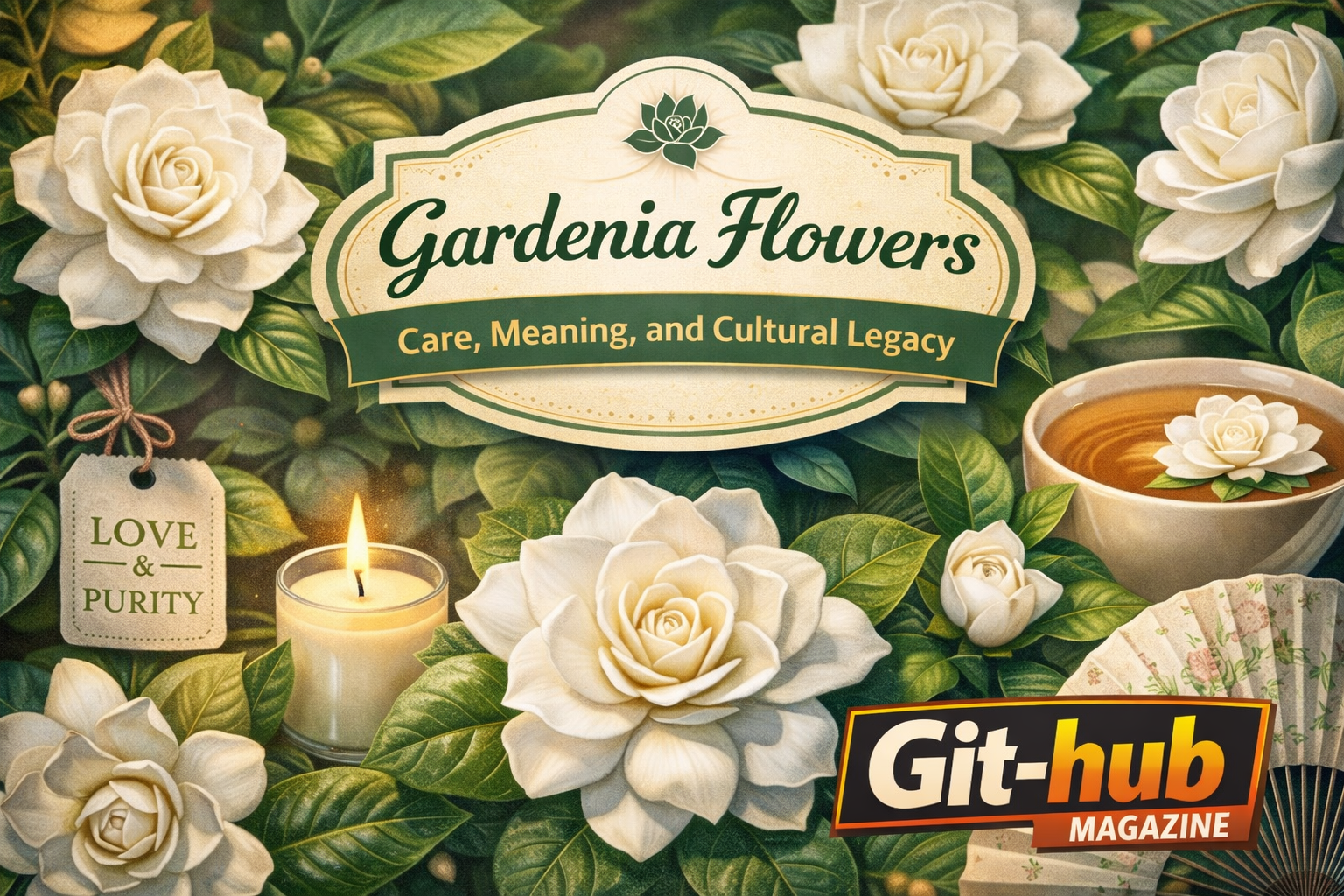
Gardenia Flowers: Care, Meaning, and Cultural Legacy
Gardenia flowers, known in Hebrew as פרחי גרדניה, occupy a rare space between natural beauty and cultural meaning. Their creamy white petals and unmistakable fragrance have made them icons of refinement, romance, and patience. For readers searching to understand what makes gardenias so beloved—and so challenging—this article answers directly: gardenias are evergreen flowering shrubs prized for scent and symbolism, but they require precise care and environmental balance to thrive.
Within the first encounter, a gardenia announces itself through scent before sight. The fragrance is dense and smooth, often described as nostalgic, intimate, and emotionally evocative. This sensory power has carried gardenias far beyond the garden bed, embedding them in art, fashion, and ritual across cultures. Yet admiration often gives way to frustration. Gardenias are notoriously sensitive plants, reacting quickly to changes in soil chemistry, humidity, light, or temperature. Their reputation as “divas” of the plant world is earned.
Beyond horticulture, gardenias tell a deeper story. They arrived in Western consciousness during an era when plants were cataloged, named, and romanticized as symbols of moral character. Over time, the flower became shorthand for purity, secret love, and restrained elegance. In modern contexts—particularly among design-oriented audiences such as readers of Git-HubMagazine—gardenias represent a return to craftsmanship, intentional care, and respect for complexity.
This article explores gardenias as botanical organisms, cultural symbols, and living metaphors. It examines how they grow, why they fail, what they have meant historically, and why they continue to matter in an age increasingly drawn to authenticity and sensory experience.
Botanical Identity and Natural Origins
Gardenias belong to the Rubiaceae family, a diverse botanical group that also includes coffee plants. The most widely cultivated species, Gardenia jasminoides, is native to East and Southeast Asia, where it evolved in warm, humid environments with acidic soils and filtered forest light. These origins explain much of the plant’s modern behavior. Gardenias are not adaptable generalists; they are specialists shaped by stable ecosystems.
The plant is evergreen, with thick, glossy leaves that provide year-round visual structure. Its flowers emerge primarily in warm months, unfurling slowly into layered, waxy petals. Color ranges from pure white to pale cream, often deepening as the bloom ages. Unlike many ornamental flowers, gardenias prioritize scent over visual extravagance, investing heavily in aromatic compounds that attract pollinators.
Despite the common name “Cape jasmine,” gardenias are not true jasmines. The resemblance lies only in fragrance. Botanically, they are distinct, and this distinction matters because gardenias lack the resilience of many jasmine species. Their root systems are shallow and sensitive, and their leaves quickly reflect nutrient imbalances through yellowing or bud drop.
In natural habitats, gardenias grow in relatively undisturbed soils rich in organic matter. When removed from those conditions, they demand careful replication. Understanding their botanical identity is essential for anyone attempting cultivation, whether outdoors or indoors.
Cultivation and Care in Modern Settings
Growing gardenias successfully is less about effort and more about precision. Soil acidity is foundational. Gardenias require consistently acidic conditions, typically within a narrow pH range. When soil drifts toward neutrality, the plant’s ability to absorb iron diminishes, leading to chlorosis and weakened growth. This sensitivity explains why many gardenias fail despite regular watering and fertilization.
Light requirements are equally specific. Gardenias thrive in bright conditions but resist harsh exposure. Morning sun combined with afternoon shade mirrors their native forest edge environment. Indoors, they perform best near east- or south-facing windows with filtered light. Too little light suppresses flowering; too much scorches leaves.
Humidity is often the hidden variable. Dry air, especially in climate-controlled interiors, disrupts bud development. Many gardenia owners experience the frustration of buds forming only to fall before opening. This is rarely disease; it is stress. Consistent moisture in both soil and air stabilizes the plant’s internal rhythms.
Temperature stability matters as well. Gardenias respond poorly to sudden changes, particularly at night. Cool drafts or heat spikes can interrupt flowering cycles. Successful growers treat gardenias less like decorations and more like living systems that require predictability.
Garden vs. Indoor Cultivation Comparison
| Aspect | Garden Setting | Indoor Cultivation |
|---|---|---|
| Light | Filtered sun, partial shade | Bright, indirect light |
| Soil | Naturally acidic, amended | Acidic potting mix |
| Humidity | Climate-dependent | Requires supplementation |
| Temperature | Seasonal but stable | Must be controlled |
| Common Issues | Soil imbalance, pests | Dry air, light inconsistency |
Historical Spread and Cultural Adoption
Gardenias entered global consciousness through botanical exploration and colonial exchange. By the eighteenth century, they were cultivated in European greenhouses and aristocratic gardens, valued as much for rarity as beauty. The flower’s association with refinement was reinforced by its difficulty; owning a healthy gardenia signaled knowledge, resources, and patience.
The naming of the genus after Alexander Garden reflects Enlightenment traditions of classification and legacy. Yet once named, the flower took on lives beyond science. In Victorian floral language, gardenias became symbols of secret affection and quiet devotion. Their whiteness suggested moral purity, while their scent hinted at intimacy beneath restraint.
In East Asian traditions, gardenias held different meanings. They were used in dyes, medicines, and ceremonial contexts, associated with calmness and internal clarity. The same plant carried different symbolic weight depending on cultural lens, demonstrating how nature becomes a canvas for human values.
Today, gardenias persist as cultural artifacts. They appear in wedding imagery, luxury branding, and nostalgic storytelling. Their continued relevance lies not in novelty but continuity.
Symbolism and Emotional Meaning
Gardenias communicate without excess. Their symbolism is subtle, layered, and emotionally restrained. In many traditions, they represent purity not as innocence, but as intention—clarity of feeling without performance. They are often given when words feel inadequate or inappropriate.
The flower’s tendency to bloom briefly but memorably reinforces its symbolic role. Gardenias do not flood a space with color; they punctuate it. This restraint has made them favored symbols in narratives about longing, remembrance, and unspoken connection.
In modern interpretations, gardenias also symbolize self-discipline and care. Keeping one alive requires attention, adjustment, and respect for limits. As such, they have become metaphors for relationships, creative processes, and personal growth.
Varieties and Adaptation Through Cultivation
Selective breeding has expanded gardenia accessibility without erasing its core demands. Compact varieties suit containers and indoor environments, while hardier cultivars tolerate cooler climates. Differences appear in bloom size, fragrance intensity, and growth habit, allowing gardeners to choose based on context rather than compromise.
Despite these advances, no gardenia is truly low-maintenance. Breeding has moderated extremes, not eliminated them. This consistency preserves the plant’s identity. Gardenias remain plants for people willing to engage rather than automate.
Core Botanical Characteristics
| Attribute | Description |
|---|---|
| Growth Form | Evergreen shrub |
| Height Range | 0.5–3 meters |
| Leaf Type | Thick, glossy, dark green |
| Flower Color | White to cream |
| Bloom Season | Late spring to summer |
| Fragrance | Strong, sweet, persistent |
| Native Climate | Warm, humid, subtropical |
Expert Perspectives
“Gardenias reward attentiveness more than expertise. They respond best to growers who observe rather than intervene constantly.”
“Culturally, gardenias endure because they resist simplification. They are beautiful, but not easy.”
“In design contexts, gardenias function as sensory anchors. One healthy plant can define an entire space.”
Takeaways
- Gardenias are evergreen flowering shrubs valued primarily for fragrance and symbolism
- They require acidic soil, stable temperatures, and high humidity
- Indoor cultivation is possible but demands environmental control
- Historically, gardenias symbolized refinement and restrained emotion
- Modern varieties expand access without eliminating care requirements
- The plant’s difficulty contributes to its cultural prestige
Conclusion
Gardenia flowers persist not because they are convenient, but because they are meaningful. In an era dominated by efficiency and scale, gardenias offer a counterpoint. They insist on slowness, precision, and respect for natural limits. Their beauty is not immediate or guaranteed; it is earned through care and understanding.
For readers of Git-HubMagazine, gardenias align with a broader cultural shift toward intentional design and systems thinking. They remind us that complexity is not a flaw, and that maintenance can be a form of connection. Whether encountered in a garden, a living room, or a symbolic gesture, gardenias continue to speak in a quiet but enduring voice.
FAQs
What do gardenia flowers symbolize?
They commonly represent purity, secret love, refinement, and emotional restraint.
Are gardenias difficult to grow?
Yes. They require precise soil acidity, humidity, and light conditions.
Can gardenias grow indoors?
They can, but only with stable light, humidity, and temperature control.
Why do gardenia buds fall before blooming?
Bud drop is usually caused by environmental stress, especially dry air or temperature changes.
Do all gardenias have strong fragrance?
Most do, but fragrance intensity varies by variety and growing conditions.

Related Posts

Rowdy Oxford Lawsuit Explained

Stevens Disposal and Waste Management Systems