
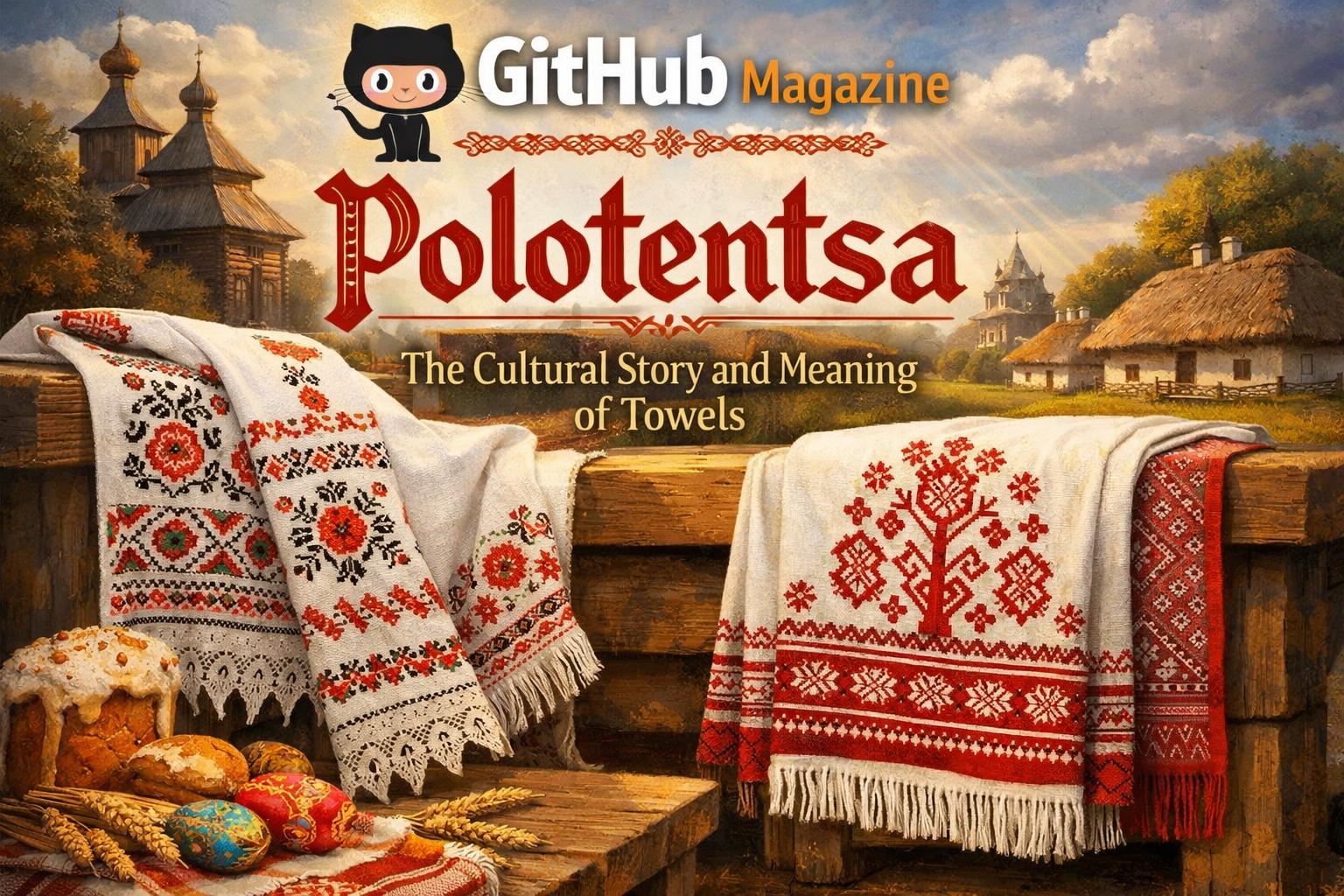
Polotentsa: The Cultural Meaning of Towels
Polotentsa is a small word with a large reach. In Russian, it simply means “towels,” the plural form of polotentse, a term spoken casually in homes, hotels, swimming pools, and public baths. Yet behind that everyday meaning lies a deeper story about how language organizes daily life, how industries scale domestic comfort, and how simple objects quietly accumulate cultural significance. In the first moments of searching the word, people usually want to know what it means. The answer is direct: towels. But what follows is not.
Towels are among the few objects that touch the human body every day from infancy to old age. They absorb water, but also memory, habit, and routine. They signal cleanliness, hospitality, rest, and recovery. They appear in bathrooms and kitchens, beaches and hospitals, gyms and homes. Across cultures they mark transitions: after bathing, after swimming, after labor, after prayer. The Russian language places the object naturally into the plural, polotentsa, suggesting not one cloth but many, arranged around a household’s rhythms.
In the digital era, this ordinary object has gained a new visibility. Online shops catalog hundreds of towel types. Design culture treats them as aesthetic elements. Sustainability movements question their materials. Global supply chains move them by the container. What looks simple becomes layered: linguistic structure, textile history, industrial production, environmental cost, cultural symbolism.
This article explores polotentsa not as a dictionary entry, but as a cultural object. It follows towels from language to factory floor, from tradition to e-commerce, from private bathrooms to global systems, tracing how something soft and familiar reflects the harder structures of modern life.
Linguistic Meaning and Structure in Russian
In Russian grammar, polotentsa is the nominative plural of polotentse. It belongs to the group of neutral nouns that shift endings depending on case, number, and context. A speaker does not request “a towel” in most daily situations but “towels,” implying sets: bath towels, hand towels, kitchen towels, guest towels.
| Russian form | Transliteration | Meaning |
|---|---|---|
| полотенце | polotentse | towel (singular) |
| полотенца | polotentsa | towels (plural) |
| полотенцам | polotentsam | to the towels |
| полотенцами | polotentsami | with/by the towels |
This grammatical structure mirrors domestic reality. Towels multiply quickly in a household. One for hands, another for hair, another for guests, another reserved for children. The plural form becomes the linguistic default because the object itself is never singular in practice.
Language researchers often note that frequently pluralized household objects reveal social organization. Shoes, dishes, clothes, towels: these words encode systems of care and repetition. Polotentsa belongs to that category of vocabulary that anchors daily routines. It is among the first words learned by language students not because it is exotic, but because it is unavoidable.
Pronunciation guides, translation databases, and educational videos treat the word as basic knowledge, part of the vocabulary of ordinary survival: washing, drying, cleaning, living.
From Woven Cloth to Specialized Object
Long before modern bathrooms existed, humans used cloth to dry their bodies and protect skin. Early textiles served many functions simultaneously: garment, blanket, carrying cloth, towel. The specialization of the towel is tied to advances in weaving technology and the widespread cultivation of cotton.
Cotton fibers proved ideal for absorbing moisture while remaining soft against skin. As textile production expanded across South Asia, the Middle East, and later Europe, cloth became differentiated. By the nineteenth century, industrial looms could produce terry cloth with looped fibers designed specifically for absorption.
Textile historian Dr. Jane Baxter once summarized this shift: “Textiles such as towels reveal how industrial systems organize labor and distribute everyday comfort.” The towel became not merely cloth, but a standardized product, measured in weight, density, and durability.
By the twentieth century, towels were no longer handmade household items but mass-produced commodities. Hotels ordered them by the thousands. Hospitals standardized them. Governments regulated textile quality. What had once been domestic craft entered the logic of industry.
Global Centers of Towel Production
Modern polotentsa is rarely local. It is global. Cotton may be grown in one region, spun in another, woven in a third, dyed in a fourth, and sold in a fifth. Several regions dominate the industry.
| Region | Historical association | Modern role |
|---|---|---|
| South Asia | Early cotton cultivation and weaving traditions | Major manufacturing hub |
| Turkey | Development of terry weaving techniques | High-quality export market |
| China | Industrial textile expansion | Mass-scale production |
| Egypt | Long-staple cotton agriculture | Luxury towel materials |
Turkey’s towel industry became famous for its balance of softness and durability. Egyptian cotton gained prestige for long fibers that create smoother, stronger cloth. Pakistan and India developed large-scale textile zones employing millions of workers. China optimized production speed and cost.
These centers do not simply produce objects. They shape global standards of comfort. The thickness of a hotel towel in Berlin may be determined by weaving technology in Denizli or fiber quality from the Nile Delta.
Cultural Meaning Beyond Utility
Although towels exist to dry bodies, cultures assign them additional meaning. Clean towels offered to guests signal respect. Fresh towels in a home represent order and care. At beaches, towels become flags of identity, decorated with colors, patterns, slogans, sports teams, or political symbols.
In traditional cultures, cloth similar to towels carries ceremonial significance. Anthropological studies of ornamented textiles among groups such as the Bashkirs document how woven patterns encode social belonging, family lineage, and spiritual protection. Even when the object is practical, decoration transforms it into narrative.
In religious history, early Russian icon painters used the word polotentsa to describe canvas supports for sacred images, suggesting that cloth itself carried spiritual connotations. The boundary between sacred textile and domestic towel was once fluid.
Cultural theorist Dr. Marisol Jafari observes: “In many world cultures, textiles — even humble cloths — are woven with meanings that speak to identity and social practice.” Towels occupy that quiet zone between necessity and symbolism.
They witness private moments: a child wrapped after a bath, a traveler drying rain from their hair, a patient washed in a hospital bed. These moments rarely appear in official histories, yet they form the fabric of everyday life.
Polotentsa in Digital Commerce
The internet transformed towels from background objects into searchable commodities. Online stores now specialize entirely in towels and home textiles, offering hundreds of variations by size, weave, color, material, and use.
Platforms such as Polotentsa-branded retailers present catalogs of bath towels, kitchen towels, sauna sets, microfiber cloths, bedding, and accessories. The towel becomes data: dimensions, GSM weight, fiber percentage, color codes, shipping options.
Consumer analyst Elena Ruiz notes, “Shopping for towels online transforms an ordinary domestic purchase into a curated design decision. Material, texture, and aesthetics become part of lifestyle choices.”
Social media accelerates this process. Instagram accounts display neatly folded towel sets arranged by color gradients. Influencers photograph minimalist bathrooms where towels function as visual architecture. The towel becomes decor.
In this digital marketplace, polotentsa is no longer invisible. It is photographed, reviewed, ranked, compared, and branded.
Design, Weight, and Technical Standards
Not all towels are equal. Manufacturers classify them by density, measured in grams per square meter (GSM). A light towel may weigh under 400 GSM, drying quickly but offering less softness. Luxury towels often exceed 600 GSM, heavy and plush, absorbing more water but taking longer to dry.
Hotels often choose mid-range GSM towels for durability. Gyms prefer lighter ones for fast turnover. Homes select based on taste: some prefer spa-like thickness, others practical speed.
Design also matters. Border patterns, jacquard weaving, ribbing, and waffle textures change both function and appearance. Kitchen towels prioritize quick drying and durability. Bath towels prioritize softness.
These technical details rarely enter conversation, yet they structure daily comfort as precisely as architecture structures movement.
Sustainability and Environmental Cost
Towel production carries environmental consequences. Conventional cotton requires large amounts of water and pesticides. Synthetic blends shed microplastics into water systems. Dyeing processes pollute rivers.
In response, manufacturers increasingly promote organic cotton, bamboo fibers, and recycled textiles. These materials reduce chemical use and environmental impact while maintaining softness.
Sustainable design expert Dr. Keisha Morgan argues, “Towels of the future must be designed not just for absorbency but for ecological responsibility.”
Consumers now encounter sustainability labels alongside size charts. The bathroom becomes part of climate ethics. Even polotentsa participates in debates about resource use.
Towels as Daily Infrastructure
Despite industry, design, and sustainability discourse, towels remain part of invisible infrastructure. They wait folded in closets. They hang on hooks. They rotate through washing machines. They quietly maintain hygiene.
Households develop systems: guest towels never used by residents, children’s towels marked by cartoon characters, older towels demoted to cleaning cloths. These informal hierarchies form domestic order.
Towels also carry emotional memory. The towel used after childhood swimming lessons. The beach towel kept from a honeymoon. The worn towel that feels softer than any new one. Objects absorb stories.
In this sense, polotentsa is not merely a translation. It is a category of lived experience.
Takeaways
- Polotentsa is the Russian plural form of “towel,” reflecting how the object naturally exists in multiples.
- Towels evolved from general cloth into specialized industrial products through cotton cultivation and weaving technology.
- Global production centers shape modern standards of comfort and durability.
- Towels carry cultural meaning tied to hospitality, identity, and ritual.
- E-commerce has transformed towels into curated lifestyle products.
- Sustainability is reshaping textile materials and consumer expectations.
Conclusion
Polotentsa names something ordinary, but its story is anything but small. Towels connect language to labor, comfort to industry, private ritual to global systems. They are touched daily yet rarely considered, essential yet invisible.
In the structure of the word itself lies a clue: plural, collective, habitual. Towels are never singular in function or meaning. They belong to routines, to households, to supply chains, to cultures.
By examining a simple term, we uncover how deeply material objects organize modern life. The softness of a towel rests on centuries of textile knowledge, on the labor of distant workers, on environmental choices, on linguistic habits.
To notice polotentsa is to notice the hidden architecture of everyday comfort. It is to recognize that civilization is not built only from steel and code, but from cotton loops, folded cloth, and quiet gestures of care.
FAQs
What does polotentsa mean?
It is the Russian plural form of “towel,” referring to towels in general.
Is polotentsa singular or plural?
Plural. The singular form is polotentse.
Where are most towels produced today?
Mainly in Turkey, China, Pakistan, India, and Egypt.
Why are towels culturally important?
They signal hygiene, hospitality, identity, and everyday care across societies.
What materials are considered sustainable for towels?
Organic cotton, bamboo fibers, and recycled textiles are common alternatives.

Related Posts

Directorate of Staff Development Explained

Toro Star: The Complete Guide to El Toro and the Constellation Taurus