
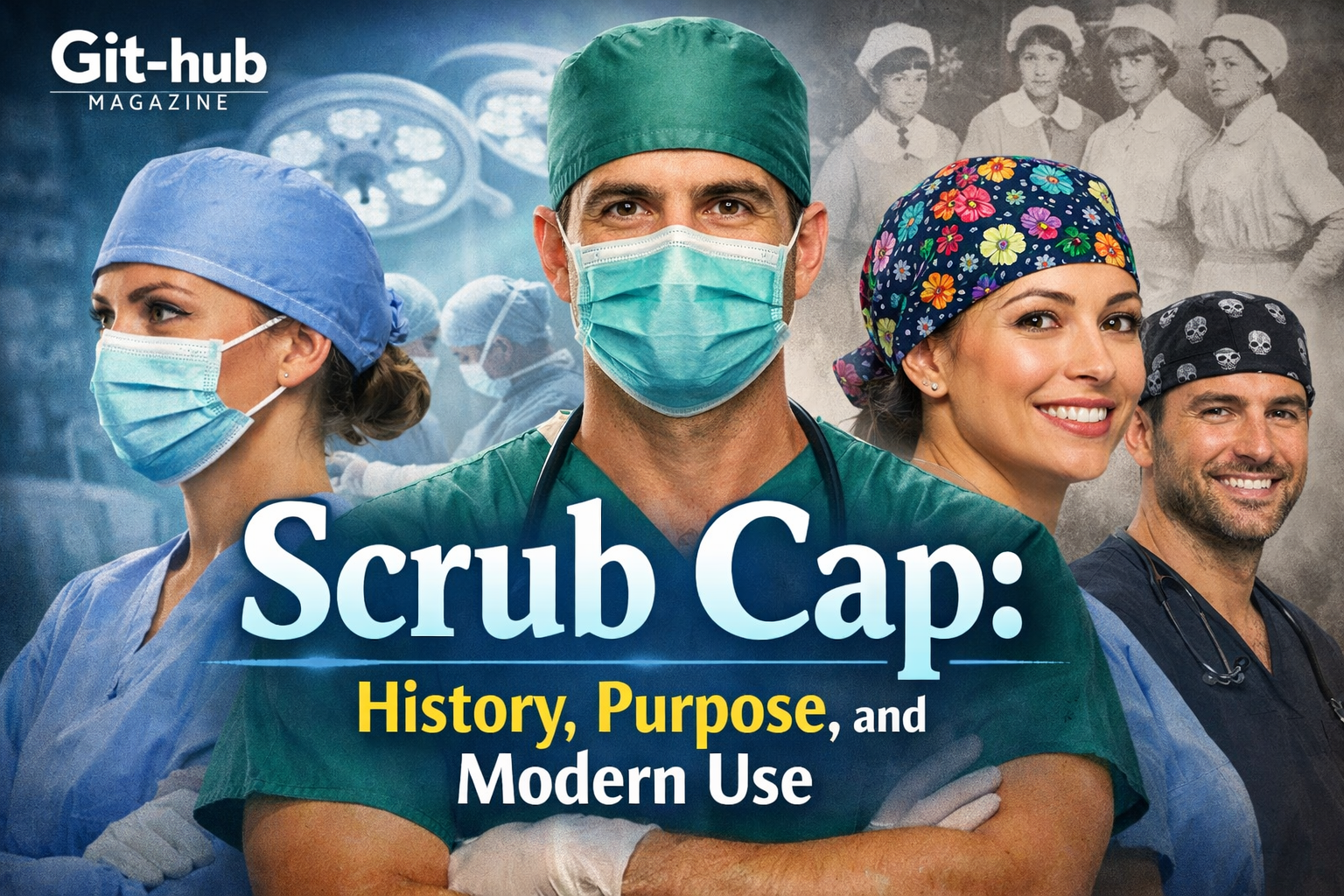
Scrub Cap Guide: Purpose, Types, and Evolution
scrubber cap I frequently think of the scrub cap as one of the most important yet least noticed parts of modern healthcare. A scrub cap’s main purpose is to keep hair out of sterile situations, including during surgery, and to keep germs from spreading. In the first few moments of understanding, it becomes evident that its main job is to keep patients safe. Hair can harbor bacteria and release particles, and even a minor breach in containment might elevate the risk of infection during essential medical treatments.
The scrub cap is more than just a way to stay clean. Over time, it has become a subtle way for people to show their individuality in a field that is quite controlled. Healthcare personnel, like doctors and nurses, typically choose designs that show their personality, specialty, or even their sense of humor. This shift from uniformity to individuality is similar to developments happening in medicine as a whole.
The scrub cap is more than just a pretty sight; it also shows how science has progressed throughout the years. It shows a dedication to accuracy and care, from the early days of antiseptic surgery to today’s carefully controlled operating rooms. It is a small thing, but it has a big job: it connects severe medical rules with the human side of healthcare.
The Origins of the Scrub Cap in Surgical History
The history of the scrub cap is directly linked to the growth of modern surgery. Before germ theory was accepted, surgeons often did operations without worrying about cleanliness. Surgeons wore regular clothes and didn’t know that germs may make people sick. In the late 1800s, scientists came up with the idea that cleanliness could help control invisible germs. This was the start of the change.
As sterile techniques improved, hospitals started to use uniform surgical clothing. Early head coverings were simple and thrown together, and they were generally made of fabric. As people learned more about how germs spread, these covers slowly grew more organized. Hair was found to be a source of bacteria, thus it had to be covered during treatments.
Scrub caps were a common element of surgical uniforms by the beginning of the 20th century. They stood for a new time in medicine, one that put patient safety first by using scientific knowledge. Over time, the design and materials improved, but the underlying purpose remained unchanged.
Function First: How Scrub Caps Protect Patients
The main purpose of a scrub hat is to keep sterile areas from getting dirty. Human hair naturally falls out and harbors germs, which can make surgical areas less safe. Even little amounts of contamination in operating rooms can have major effects, including infections that can slow down recovery or change the outcome.
Scrub caps keep hair in place and stop contaminants from spreading. How well they work depends on how well you use them. To give the best protection, a cap must cover all of the hair, even loose strands and edges. In many cases, extra coverings are utilized in places where there is a lot of risk to further lower exposure.
Safety and comfort are both important in modern designs. We choose materials that blend breathability with confinement so that healthcare staff can do extensive treatments without getting uncomfortable. Adjustable features make ensuring that the fit is snug, which is important for keeping it working.
Strict hospital rules make it even more clear how important scrub caps are. These rules stress the importance of being consistent in sterile practices, since even tiny things can make a big difference in safety. Even though it’s basic, the scrub hat is quite important for keeping these standards.
Types of Scrub Caps and Their Uses
Scrub caps are available in a variety of styles, each designed to meet specific needs within healthcare settings. The diversity in design reflects differences in hair types, job roles, and institutional requirements.
| Type of Scrub Cap | Key Features | Common Users |
|---|---|---|
| Bouffant Cap | Loose, full coverage, often disposable | Operating room staff |
| Skull Cap | Tight-fitting, reusable | Surgeons |
| Ponytail Cap | Extended space for long hair | Nurses, technicians |
| Tie-Back Cap | Adjustable with ties | Surgeons, dentists |
| Disposable Cap | Lightweight, single-use | High-sterility environments |
Bouffant caps are often utilized in places where they need to cover the most area. Their loose fit makes sure that all of your hair stays in place. On the other hand, skull caps are popular because they are comfortable and fit well, even if they may not conceal as much hair.
Because of worries about the environment, reusable caps are becoming more and more popular. They let you personalize things while cutting down on waste. But they need to be cleaned well to keep up sanitary requirements. Choosing a hat frequently means finding a balance between comfort, rules, and safety.
The Debate Over Safety and Standards
Even though scrub hats are used a lot, there has been a lot of discussion about them in the medical field. One important question is whether some styles are better at protecting than others. Some rules say that all hair should be covered, while others stress that all sanitary practices should be the same.
The results of studies have been varied. Some studies say that full coverage may lower contamination, but others have found no big difference in infection rates across different cap types. Because of this, healthcare providers have different ideas.
A surgical specialist previously said that the sort of cap used doesn’t matter as much as how consistent it is. This point of view emphasizes the importance of following procedures instead than only looking at design differences.
The disagreement is part of a bigger problem in medicine: how to balance evidence with real-world concerns. As standards change, the focus stays on keeping patients safe and lowering risk.
Scrub Caps as Identity and Expression
Scrub caps have changed over time and are now a way for people to show who they are. In many healthcare environments, professionals choose caps with unique colors or designs so they may stand out in a place where everyone else wears the same thing.
There are also practical benefits to this change. In pediatric care, colorful designs can make the space feel more welcome for kids. Patients generally feel better when their doctors and nurses seem kind and human.
Custom scrub caps also help medical personnel feel like they belong. They can show off your skills, connections, or personal hobbies. In a field that typically requires uniformity, these minor differences give a sense of identity.
This trend has gotten even stronger with the development of social media. Healthcare workers post pictures of their creative designs on social media, making scrub hats a statement of both professionalism and flair. This change is part of a larger trend in medicine toward care that is oriented on people.
Materials, Sustainability, and Environmental Impact
In modern healthcare, the materials utilized to make scrub caps have become a crucial factor to think about. Disposable caps, which are usually constructed of nonwoven textiles, are easy to use and clean, but also add to medical waste. Hospitals are looking into more environmentally friendly choices as concerns about the environment grow.
One answer is to use reusable scrub hats, which are usually made of cotton or polyester blends. They can be washed and used again and again, which cuts down on waste. But they need to be cleaned very carefully to make sure they stay safe to use.
| Material Type | Advantages | Disadvantages |
|---|---|---|
| Disposable Nonwoven | Convenient, hygienic | Generates waste |
| Cotton | Breathable, reusable | Requires laundering |
| Polyester Blend | Durable, long-lasting | Less breathable |
| Antimicrobial Fabric | Added protection | Higher cost |
Balancing sustainability with safety is a key challenge. While reusable options are environmentally friendly, they must meet the same hygiene standards as disposable ones. Healthcare systems are increasingly focusing on strategies that address both concerns without compromising patient care.
Gender, Hair, and Inclusivity in Design
The design of scrub caps has changed to better fit the many types of healthcare workers. Traditional styles didn’t always work for all hair types, especially long or thick hair. This made things harder for a lot of professionals who needed more room and freedom.
New technologies have fixed these problems. New versions have bigger caps, adjustable fits, and styles that are made for different hair types. These changes make things more comfortable and make sure that everything is covered, which is important for keeping things clean.
Design that is inclusive goes beyond just being useful. It also shows that healthcare is moving toward recognizing and valuing diversity. When professionals feel safe and represented, it might help them do their jobs better and feel better overall.
The changes in scrub caps in this case are similar to changes in society as a whole. It shows how important it is to change medical practices to fit the needs of a diverse workforce.
The Psychology of Uniforms in Medicine
Scrub caps are a part of this dynamic, and uniforms play a big influence in defining how people see healthcare. Patients want medical professionals to be professional and competent, and these things help with that.
Enclothed cognition is the idea that clothes can change how people act and think. Wearing the right clothes in medical situations might help you feel more responsible and focused. Personalized touches can also make healthcare providers seem more friendly.
Patients frequently correlate surgical dress with proficiency and security. This visual reassurance can be quite helpful, especially when things are stressful. Even though scrub hats are little, they add to this idea.
They also assist medical teams feel like they are all on the same page. Even though the designs of each uniform may be different, they all serve the same purpose. This balance between being unique and being part of a group is a key part of modern healthcare settings.
Global Perspectives on Scrub Cap Usage
Different parts of the world use scrub caps in different ways, which is a reflection of their healthcare systems and cultural norms. In certain nations, rigorous rules say what styles and materials can be used, whereas in others, there is more freedom.
Disposable caps are popular in places with a lot of resources since they are easy to use. Low-resource settings, on the other hand, generally use reusable alternatives since they are cheaper and more useful. These distinctions show that scrub caps can be used in many different situations.
Even though there are some differences, the main goal stays the same. To keep things clean and safeguard patients, scrub caps are used. This universal role shows how important they are in healthcare systems all throughout the world.
Global viewpoints also show how cultural influences affect design and use. The core idea is still the same, however how scrub caps are used in medical routines depends on where you are.
Takeaways
- Scrub caps are essential for reducing contamination in medical environments
- Their design has evolved from purely functional to expressive and personalized
- Different styles serve specific needs based on hair type and job role
- Ongoing debates focus on safety standards and effectiveness
- Sustainability is influencing the shift toward reusable materials
- Inclusive designs support a diverse healthcare workforce
Conclusion
I see the scrub cap as a quiet symbol of how medicine continues to evolve. It is a simple object, yet it carries layers of meaning that extend beyond its basic function. At its core, it protects patients by maintaining sterile conditions, a responsibility that cannot be overstated.
At the same time, it reflects the human side of healthcare. The shift toward personalization and inclusivity shows that medicine is not only about precision but also about connection. Healthcare professionals are not just practitioners of science; they are individuals who bring empathy and identity into their work.
The scrub cap stands at this intersection. It represents discipline and care, but also creativity and individuality. As healthcare continues to advance, it will likely adapt further, incorporating new materials, designs, and practices.
What remains constant is its purpose. It is a reminder that even the smallest details can have a profound impact, shaping both the safety of patients and the experience of those who care for them.
FAQs
What does a scrub cap do?
A scrub cap contains hair and reduces the spread of microorganisms in sterile environments, helping maintain hygiene during medical procedures.
Are reusable scrub caps hygienic?
Yes, as long as they are properly washed and maintained according to medical standards, reusable scrub caps are safe to use.
Why are there different types of scrub caps?
Different styles accommodate various hair types, comfort preferences, and institutional requirements within healthcare settings.
Can scrub caps be customized?
Yes, many healthcare professionals use personalized designs to express individuality while still following safety guidelines.
Do all healthcare workers wear scrub caps?
Scrub caps are primarily required in operating rooms and sterile environments, though usage may vary depending on the role and facility.

Related Posts

Koalas Habitat History and Conservation Review

How to Sell a House Step by Step Guide