Astrologer Bot Review and AI Astrology
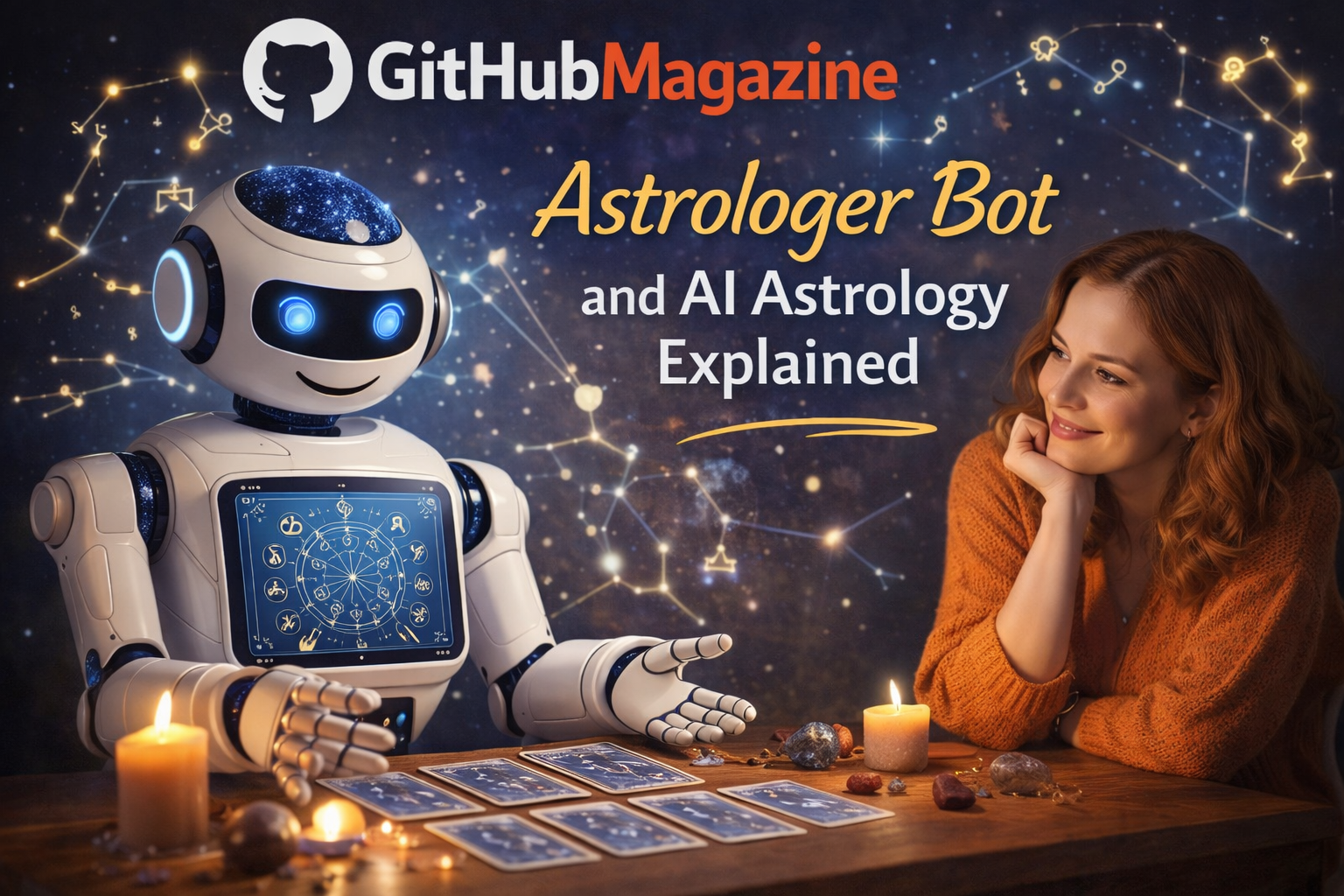
When I first examined the rise of astrologer bots, I approached them not as mystical tools but as technological systems. An astrologer bot is an AI powered application that generates horoscopes, interprets natal charts, and responds to zodiac related questions through conversational interfaces. If you are searching for what an astrologer bot is, how it works, and whether it is reliable, the answer lies at the intersection of artificial intelligence, algorithmic calculation, and symbolic tradition. These systems combine astronomical data with natural language processing to deliver instant, personalized readings.
Astrology itself is ancient, stretching back to Mesopotamian sky watchers who mapped celestial patterns to earthly events. What has changed is the interface. Instead of parchment charts and in person consultations, users now receive planetary insights through chat windows, mobile apps, and messaging platforms. The modern astrologer bot reflects a broader digital transformation where human centered services are being automated and scaled.
From a technology review standpoint, astrologer bots are not mystical entities. They are layered systems built on data input, computational models, and language generation engines. Yet their cultural influence is undeniable. Millions use them daily to reflect on identity, relationships, and life timing. The question is not whether they work in a supernatural sense, but how effectively they merge user experience design with symbolic interpretation.
The Core Architecture of an Astrologer Bot
Astrologer bots operate through a structured technological framework. The foundation is astronomical calculation. Users input birth date, time, and location. The system calculates planetary positions at that moment using astronomical algorithms. This produces a natal chart, which acts as the baseline dataset.
On top of this calculation layer sits a rule based or model driven interpretation system. Traditional astrology assigns meanings to planetary placements, zodiac signs, and house positions. The bot encodes these interpretive mappings and translates them into readable language.
The final layer is natural language processing. NLP enables the bot to understand user questions and generate conversational responses. Instead of presenting static reports, the system engages in dialogue, adapting explanations to user queries.
From a technology magazine perspective, this architecture reflects a common AI pattern: structured data input, rule mapping, and generative output. The novelty lies in applying this framework to symbolic tradition rather than commerce or logistics.
From Charts to Chat Interfaces
The journey from traditional astrology software to conversational bots mirrors broader AI evolution. Early digital astrology programs focused on computation. They automated planetary tables and chart drawing, but interpretation remained largely static.
Astrologer bots introduced interactivity. They allow users to ask follow up questions such as compatibility analysis, career timing, or personality traits. This dynamic exchange enhances engagement and creates the illusion of personalized consultation.
In digital culture, interactivity is currency. Users expect immediate responses and adaptive conversation. Astrologer bots meet this expectation by combining database driven astrology with fluid language generation.
This shift aligns with larger trends in AI adoption across industries. Services that once required human intermediaries are increasingly mediated by chat systems. Astrology has followed this trajectory, transitioning from manual expertise to scalable digital guidance.
Practical Applications and User Scenarios
| Application | Function | User Benefit |
|---|---|---|
| Natal Chart Analysis | Interprets planetary placements | Personal identity insights |
| Daily Horoscope | Generates automated forecasts | Quick guidance |
| Compatibility Matching | Compares charts between users | Relationship exploration |
| Transit Forecasting | Analyzes current planetary cycles | Timing awareness |
| Interactive Q&A | Responds to specific life questions | Conversational engagement |
Astrologer bots are primarily used for convenience and accessibility. They remove barriers such as scheduling, geographic location, and consultation fees. For users curious about astrology but hesitant to invest in traditional readings, bots provide an entry point.
The scalability factor is significant. A single AI system can handle millions of interactions simultaneously, something impossible for individual practitioners. From a systems engineering perspective, this efficiency defines their appeal.
However, scalability also introduces standardization. Interpretations are derived from programmed frameworks rather than intuitive nuance. This distinction matters in evaluating depth versus accessibility.
Cultural Momentum and Digital Spirituality
Astrologer bots thrive within a broader resurgence of interest in astrology among younger generations. Social media has normalized zodiac discourse, turning birth charts into identity markers.
Digital spirituality reflects a cultural shift. Many individuals seek symbolic frameworks without institutional religious affiliation. AI mediated astrology fits naturally into this space. It offers structure without dogma and reflection without hierarchy.
The conversational interface enhances emotional resonance. A chat system feels personal even when responses are algorithmic. This dynamic underscores how user experience design shapes perception.
From a media analysis viewpoint, astrologer bots are less about cosmic determinism and more about digital companionship. They provide narrative coherence in uncertain times, packaged within familiar tech ecosystems.
Human Versus Machine Interpretation
A recurring debate centers on whether AI can replicate the nuance of human astrologers. Human practitioners integrate emotional intelligence, cultural sensitivity, and experiential wisdom into readings.
Astrologer bots excel at calculation speed and consistency. They rarely make computational errors. They can generate interpretations instantly and without fatigue.
Yet symbolic interpretation is inherently subjective. A human astrologer might adapt tone based on client vulnerability or contextual nuance. AI systems rely on programmed parameters.
Rather than viewing this as replacement, it may be more accurate to frame it as complementarity. Bots handle computation and accessibility. Humans provide interpretive depth and emotional presence.
Ethical Considerations and Data Privacy
Astrologer bots require personal data. Birth date, time, and location are sensitive identifiers. Responsible platforms must implement secure storage, encryption, and transparent policies.
Another ethical dimension concerns psychological influence. Users may treat bot outputs as authoritative guidance. Designers must ensure disclaimers clarify that readings are interpretive frameworks, not deterministic predictions.
Bias is also relevant. If training data emphasizes particular cultural interpretations of astrology, the bot may marginalize alternative traditions.
In the broader AI ethics landscape, astrologer bots exemplify how even seemingly benign applications demand accountability and transparency.
Strengths and Limitations Overview
| Strength | Limitation |
|---|---|
| Instant availability | Limited emotional nuance |
| Scalable access | Standardized interpretations |
| Low cost entry | Potential data privacy risks |
| Interactive dialogue | Dependent on programmed frameworks |
| Multilingual reach | Cultural oversimplification risk |
This balance sheet illustrates why astrologer bots attract widespread adoption yet invite critical evaluation. Their technological strengths are clear. Their interpretive boundaries are equally evident.
Expert Observations
Technology analyst Priya Malhotra notes that astrologer bots represent the broader trend of AI entering symbolic and cultural domains once considered uniquely human.
Digital ethicist Aaron Feldman emphasizes that transparency about algorithmic construction is essential when systems deliver emotionally resonant content.
Cultural researcher Elena Rossi suggests that the popularity of astrologer bots reflects not blind belief but a desire for narrative structure within chaotic information ecosystems.
These perspectives highlight that astrologer bots are not merely novelty tools. They are sociotechnical artifacts shaped by cultural demand and engineering capability.
Future Trajectories
Looking ahead, astrologer bots may integrate voice assistants, augmented reality chart visualizations, and wearable device notifications. Real time celestial alerts could blend seamlessly into digital calendars.
Advances in contextual AI could refine personalization. Bots might adapt tone based on user interaction history, increasing perceived intimacy.
At the same time, regulatory frameworks around AI transparency and data protection will likely shape development. Ethical guidelines will determine whether these systems enhance well being or exploit vulnerability.
Astrologer bots occupy a fascinating frontier. They demonstrate how ancient symbolic systems can be reframed within machine mediated environments without losing cultural relevance.
Takeaways
- Astrologer bots merge astronomical calculation with conversational AI
- They provide accessible natal chart and horoscope services
- Scalability is their primary technological advantage
- Human astrologers offer interpretive nuance beyond automation
- Data privacy and ethical transparency remain essential
- Cultural context influences both design and reception
- Their growth reflects broader digital spirituality trends
Conclusion
I see astrologer bots as cultural technology rather than mystical breakthrough. They reveal how ancient frameworks adapt within contemporary digital ecosystems. By combining algorithmic precision with conversational interfaces, they democratize access to symbolic interpretation while raising meaningful ethical questions.
In reviewing astrologer bots through a technology lens, the most striking feature is not predictive accuracy but user experience design. These systems succeed because they translate complex celestial mapping into approachable dialogue.
Astrology has always evolved alongside tools of its era, from star charts to printed ephemerides to desktop software. Astrologer bots represent the next iteration in that lineage. Whether embraced as guidance or treated as reflective entertainment, they underscore a fundamental truth about technology: it reshapes not only how we calculate, but how we seek meaning.
FAQs
What is an astrologer bot
An astrologer bot is an AI system that generates horoscopes and interprets birth charts through conversational interfaces.
How does an astrologer bot calculate charts
It uses astronomical algorithms to determine planetary positions based on birth data inputs.
Are astrologer bots scientifically proven
They rely on symbolic astrological frameworks rather than empirical scientific prediction models.
Is my data safe with astrologer bots
Safety depends on the platform’s data security practices and transparency policies.
Can AI replace human astrologers
AI can automate calculations and accessibility, but human practitioners offer emotional and contextual depth.