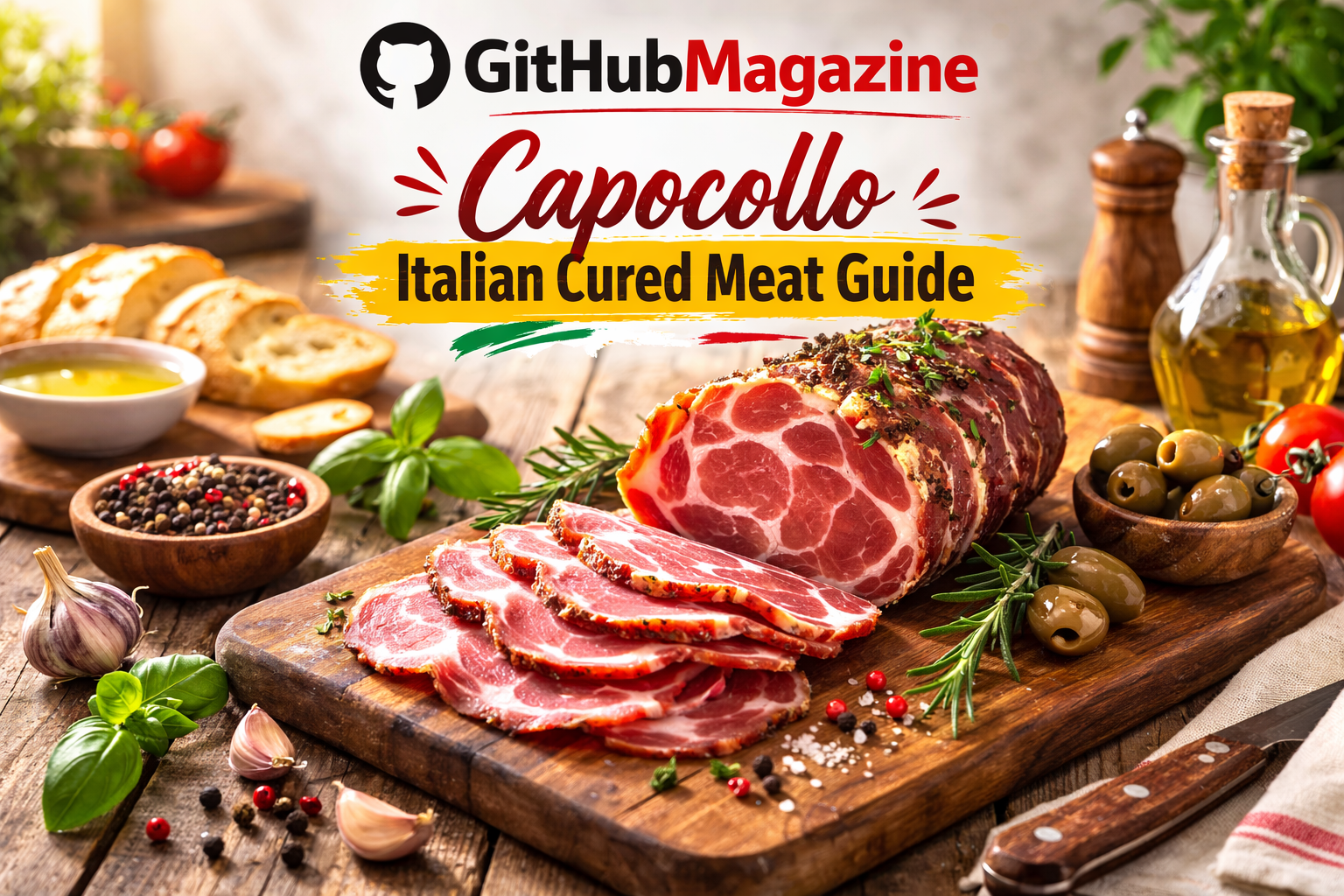
Capocollo: Italian Cured Meat Tradition
When I explore traditional foods that have endured centuries of change, capocollo stands out as a vivid example of how craft and culture intersect. Capocollo is a classic Italian cured meat made from the pork neck and shoulder, seasoned with salt and spices, and air-dried for months until it develops its signature marbling and aroma. If you are searching for what capocollo is, how it is made, and why it matters in Italian cuisine, the answer lies in its balance of simplicity and refinement. It is neither ground like salami nor brined like prosciutto. Instead, it is a whole-muscle salume, carefully cured to preserve texture and amplify flavor.
Across Italy, capocollo appears under various names such as coppa or capicola. Its linguistic evolution even produced the Italian American nickname gabagool, a cultural echo of southern dialects carried overseas by immigrants. From farmhouse curing rooms in Calabria to modern charcuterie boards in global cities, capocollo has maintained its essential identity while adapting to new culinary contexts. The craft behind it reflects regional pride, agricultural knowledge, and generational continuity.
Understanding capocollo means understanding preservation, patience, and precision. It is a food shaped by climate, geography, and community, and its relevance today reflects both heritage and contemporary appreciation for artisanal production.
The Historical Roots of Capocollo
Capocollo emerged from Italy’s long tradition of salumi, a culinary practice born from necessity before refrigeration. Rural communities developed methods to preserve pork throughout the year, transforming surplus meat into durable, flavorful products. The name itself combines capo, meaning head, and collo, meaning neck, directly referencing the cut used.
In northern Italy, especially in Emilia-Romagna, coppa became a refined regional specialty. In Calabria and other southern regions, producers leaned into stronger spice blends, often incorporating black pepper and chili for intensity. Over time, these local practices solidified into regional identities, some later receiving European protections to safeguard authenticity.
Capocollo’s endurance reflects more than taste. It represents a social ritual of winter slaughter, communal work, and seasonal rhythm. Families cured meat together, tying and hanging each piece with deliberate care. This continuity of knowledge passed through generations ensured that subtle variations remained rooted in place while preserving essential technique.
As migration reshaped Europe and the Americas in the nineteenth and twentieth centuries, Italian communities brought their curing traditions with them. Capocollo became part of immigrant identity, sustaining cultural memory far from its original villages.
From Pork Cut to Finished Salume
The journey of capocollo begins with selecting the pork neck or shoulder. This section of the animal contains an ideal ratio of lean muscle to intramuscular fat. That marbling becomes central to the final texture.
The curing process unfolds in stages. First, the meat is trimmed and massaged with salt and a regional blend of spices. Black pepper is common. Some traditions incorporate paprika, garlic, or aromatic herbs. In certain areas, wine plays a role, adding depth and complexity during the initial curing phase.
Once seasoned, the meat is encased and tightly bound with string to create a uniform shape. It is then hung in a controlled environment where temperature and humidity remain stable. Over several months, moisture slowly evaporates. The salt penetrates the muscle fibers. Enzymatic changes develop aroma and flavor.
Unlike fermented salami, capocollo relies on whole-muscle curing rather than grinding and mixing. Unlike prosciutto, it incorporates spice blends before aging. The result is distinct: tender, aromatic, and deeply savory.
Regional Identity and Protected Traditions
Italian food culture thrives on regional nuance, and capocollo is no exception. Variations reflect climate, agricultural conditions, and historical trade routes.
| Region | Local Name | Notable Characteristics |
|---|---|---|
| Emilia-Romagna | Coppa Piacentina | Balanced spice, refined curing |
| Calabria | Capocollo di Calabria | Peppery, bold flavor |
| Apulia | Capocollo di Martina Franca | Aromatic, sometimes lightly smoked |
| Tuscany | Capocollo Toscano | Herbaceous notes |
Protected designations in Europe help maintain traditional standards. These certifications ensure that specific geographic products adhere to established methods and ingredient sourcing. Such regulation reinforces cultural heritage while offering consumers assurance of authenticity.
These distinctions are not superficial. Northern varieties often highlight subtle seasoning and longer aging, resulting in delicate aromatics. Southern styles emphasize intensity, heat, and assertive spice blends. Each approach expresses local taste preferences shaped by climate and history.
Flavor Profile and Sensory Experience
Capocollo’s defining feature is its marbled interior. When sliced thinly, the interplay of lean muscle and creamy fat creates a supple texture that almost melts on the tongue.
Flavor unfolds gradually. The first impression is savory depth from salt and aged pork. Next comes the complexity of spices, sometimes gentle and herbaceous, sometimes peppery and vibrant. The fat carries aroma, softening sharp notes and creating balance.
This layered profile makes capocollo versatile. It complements crusty bread and aged cheeses. It enhances simple salads with richness. In sandwiches, it adds dimension without overpowering other ingredients.
Wine pairings often depend on regional style. Medium-bodied reds highlight spice, while crisp whites offer contrast to fat. These combinations underscore capocollo’s adaptability within both rustic and refined settings.
Capocollo in Modern Gastronomy
Today, capocollo thrives not only in traditional Italian kitchens but also in contemporary global cuisine. Chefs incorporate it into charcuterie boards, artisanal pizzas, and creative pasta dishes. Its visual appeal, with deep red meat streaked by ivory fat, enhances presentation.
Food enthusiasts increasingly seek authentic salumi made through slow methods. Capocollo fits naturally within this movement toward craft production. Its aging process aligns with broader appreciation for foods shaped by time rather than speed.
In urban markets, specialty delis highlight capocollo alongside other cured meats, inviting customers to compare textures and flavors. In fine dining, chefs use it sparingly to introduce concentrated flavor into balanced compositions.
This resurgence of interest in traditional salumi reflects a broader culinary shift. Consumers value traceability, craftsmanship, and regional storytelling. Capocollo delivers all three.
Capocollo and the Italian Diaspora
Migration carried capocollo far beyond Italy’s borders. In the United States, Italian American communities adapted language and pronunciation, giving rise to the colloquial term gabagool. This linguistic shift became emblematic of identity.
Delicatessens in cities such as New York and Philadelphia featured capicola prominently. It became part of everyday sandwiches, bridging old world recipes with new world ingredients.
Food has long served as a cultural anchor for immigrant communities. Capocollo offered familiarity and continuity. Its presence in American kitchens symbolized resilience and memory.
Media portrayals further popularized the nickname gabagool, embedding capocollo into mainstream pop culture. Yet behind the humor and references lies a serious culinary heritage rooted in careful craft.
Nutritional Context
Like many cured meats, capocollo is rich in protein and fat. Its nutritional profile reflects the characteristics of pork combined with the effects of curing. Sodium levels can be significant due to preservation methods, making moderation advisable.
Balanced consumption emphasizes portion control. In Italian culinary tradition, capocollo appears in small servings within antipasti spreads, complemented by vegetables, bread, and cheese. This context reflects a holistic approach rather than indulgence in isolation.
The presence of B vitamins, iron, and zinc contributes nutritional value, yet the richness calls for mindful enjoyment. As with many heritage foods, its power lies in flavor concentration rather than volume.
Comparing Capocollo with Other Salumi
| Feature | Capocollo | Prosciutto | Salami |
|---|---|---|---|
| Cut Used | Neck/Shoulder | Hind Leg | Ground pork mixture |
| Texture | Marbled, tender | Silky, smooth | Firm, coarse |
| Seasoning | Salt and spices | Salt only | Spices and fermentation |
| Aging | Several months | Up to two years | Several months |
These differences illustrate why capocollo occupies a unique place among Italian cured meats. It bridges the delicacy of prosciutto with the assertiveness of salami.
Expert Perspectives
Food historian Lucia Benedetti notes that regional salumi like capocollo demonstrate how preservation evolved into culinary art.
Chef Marco Rinaldi emphasizes that time and controlled environment remain the true ingredients behind exceptional capocollo.
Culinary anthropologist Daniel Greco observes that capocollo’s migration mirrors broader patterns of Italian diaspora, where food sustained identity across generations.
Takeaways
- Capocollo is a whole-muscle Italian cured pork from neck and shoulder
- Its name reflects anatomical origin and linguistic heritage
- Regional variations create distinct flavor profiles
- Traditional curing methods require months of aging
- Protected designations safeguard authenticity
- It remains central to both heritage cuisine and modern gastronomy
Conclusion
Capocollo embodies the intersection of geography, craftsmanship, and cultural continuity. From rural Italian curing rooms to contemporary global kitchens, it has maintained integrity through patience and precision. Its flavor captures the essence of regional identity while adapting seamlessly to new culinary landscapes.
In exploring capocollo, I see more than cured meat. I see a testament to generational knowledge and to the enduring power of food as memory. Each thin slice tells a story of seasonality, labor, and pride. Whether served on a wooden board in a village trattoria or layered into a sandwich thousands of miles from Italy, capocollo continues to connect people through taste and tradition.
FAQs
What part of the pig is used for capocollo?
Capocollo is made from the pork neck and upper shoulder, valued for balanced marbling.
How long does capocollo cure?
Traditional curing typically lasts several months, depending on regional practice.
Is capocollo spicy?
It can be mildly herbaceous or boldly peppery, depending on local spice blends.
How should capocollo be served?
Serve thinly sliced on antipasti platters, in sandwiches, or paired with wine and cheese.
Is capocollo the same as prosciutto?
No. Prosciutto comes from the hind leg and is salt cured without added spices.

Related Posts

Primal Queen: Inside the Viral Women’s Wellness Supplement

Navy Aviation Electrician Career Overview