
Txmyzone: How Effort-Based Fitness Tracking Is Redefining Motivation, Inclusivity, and Long-Term Health Habits
In a fitness landscape crowded with step counters, calorie estimates, and performance benchmarks that often reward speed and youth, Myzone offers a fundamentally different idea: effort matters more than outcome. Rather than asking how far someone ran or how fast they cycled, Myzone asks a simpler, more human question—how hard did you work, relative to your own capacity? That shift has helped the platform carve out a distinct place in global fitness culture, particularly among gyms, trainers, and everyday exercisers seeking sustainable motivation.
Myzone is a wearable heart-rate-based system that converts physical effort into Myzone Effort Points, known as MEPs. These points are earned by spending time in personalized heart-rate zones, making progress measurable without privileging elite performance. For a beginner walking briskly and an experienced athlete sprinting, effort can be equal, even if speed and distance are not. This framing aligns closely with how people actually build fitness over time—through consistency, not comparison.
Founded in 2011 and headquartered in the United Kingdom, Myzone has grown into an ecosystem that spans wearable devices, mobile applications, gym integrations, and social challenges. Its appeal lies not only in data accuracy but in its understanding of motivation. By blending behavioral science, community dynamics, and real-time feedback, Myzone seeks to answer a persistent problem in health and fitness: how to help people keep showing up. In doing so, it reframes exercise from a solitary obligation into a shared, measurable, and often enjoyable experience.
The Core Idea: Measuring Effort, Not Ego
At the heart of Myzone is a simple but powerful premise: fitness should be inclusive. Traditional metrics like pace, wattage, or calories burned tend to favor people who are already fit, young, or genetically predisposed to certain abilities. Myzone instead uses heart-rate data calibrated to an individual’s maximum heart rate, ensuring that effort is always personal.
This personalization allows Myzone to translate exertion into a universal currency—MEPs. Users earn points for every minute spent in specific heart-rate zones, with higher zones yielding more points. Importantly, the system rewards sustained effort rather than brief peaks, encouraging steady, health-focused activity rather than burnout-inducing extremes.
By centering effort, Myzone reduces the intimidation factor that often keeps newcomers away from gyms and structured exercise. A person returning to fitness after years away can see their effort recognized and rewarded in the same system as a seasoned athlete. This sense of fairness is not incidental; it is core to the platform’s design philosophy.
Understanding Heart-Rate Zones and MEPs
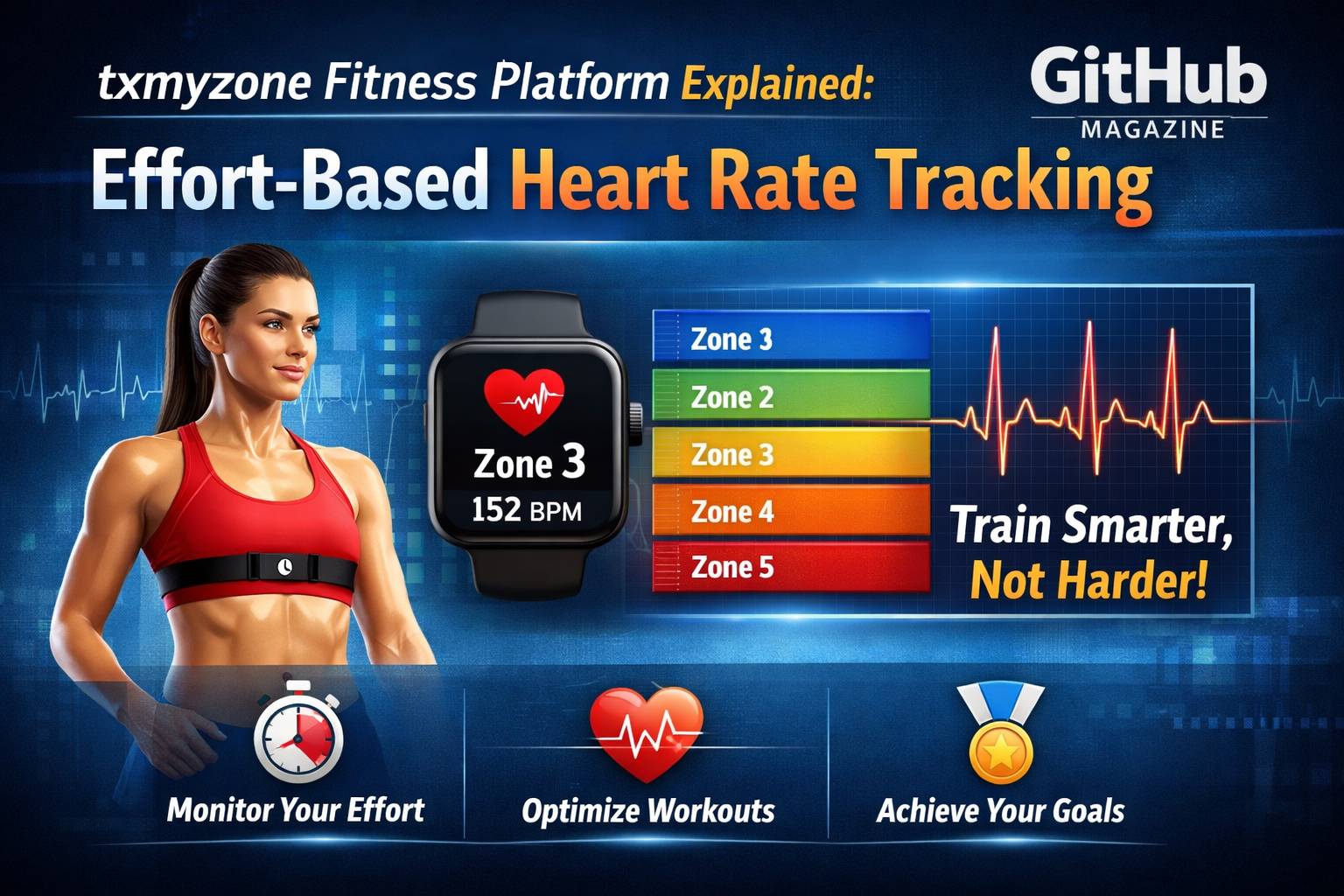
Myzone divides heart-rate data into five color-coded zones, each representing a percentage of an individual’s maximum heart rate. Time spent in each zone translates directly into MEPs, creating a transparent and intuitive system for users.
| Heart-Rate Zone | Percentage of Maximum Heart Rate | MEPs per Minute | Typical Experience |
|---|---|---|---|
| Grey | 50–59% | 1 | Light movement, warm-ups |
| Blue | 60–69% | 2 | Gentle cardio, mobility |
| Green | 70–79% | 3 | Moderate cardio, conditioning |
| Yellow | 80–89% | 4 | High-intensity effort |
| Red | 90–99% | 4 | Maximum exertion |
This structure emphasizes that health-promoting activity often occurs below maximal intensity. By assigning meaningful points to moderate zones, Myzone encourages users to value consistency and cardiovascular health, not just extreme workouts.
The visual simplicity of colors and points also makes the system accessible. Users can glance at a screen or app and instantly understand how hard they are working. Over time, this feedback loop helps people learn how their bodies respond to different activities, deepening body awareness alongside fitness gains.
Technology That Supports, Not Distracts
Myzone devices are designed to be practical rather than flashy. Available in chest-strap, arm-band, and wrist-based formats, they prioritize heart-rate accuracy and comfort. The devices sync with the Myzone mobile app, where users can review workout history, track monthly progress, and participate in challenges.
The app acts as a central hub, translating raw data into narratives of effort and improvement. Users see not only how many points they earned in a single session, but how those points accumulate over weeks and months. This long-term view reinforces the idea that fitness is a journey, not a single performance.
Integration with gym displays adds another layer. In group classes or cardio areas, effort tiles can be shown on screens, creating a shared visual language of exertion. Seeing others work hard—and being seen in return—can be a powerful motivator, transforming anonymous workouts into collective experiences.
Behavioral Science and the Power of Motivation
Myzone’s success cannot be understood through technology alone. Its real innovation lies in how it applies principles from behavioral science to physical activity. Research consistently shows that immediate feedback, social accountability, and gamification increase adherence to exercise programs. Myzone incorporates all three.
Immediate feedback comes from real-time heart-rate tracking and point accumulation. Social accountability emerges through leaderboards, friend connections, and gym-wide challenges. Gamification appears in the form of monthly status levels, badges, and goals that reset regularly, giving users fresh motivation even after setbacks.
Exercise psychologists have long noted that motivation is fragile. Dr. Jane Smith, a behavioral scientist focused on digital health, has observed that people are more likely to maintain exercise habits when progress feels achievable and visible. Systems that reward effort rather than outcomes reduce feelings of failure and support long-term engagement. Myzone’s design aligns closely with this insight.
Community as a Catalyst
One of Myzone’s defining features is its emphasis on community. Users can connect with friends, colleagues, or gym members, sharing workouts and celebrating milestones. Monthly challenges encourage collective participation, whether through step-free cardio goals or themed events tied to seasons or causes.
This communal aspect transforms exercise from a private struggle into a shared narrative. When effort is visible and acknowledged, people are more likely to persist. Friendly competition adds energy without undermining inclusivity, because the scoring system remains personal.
Gyms often leverage this community dynamic to build culture. Instead of focusing solely on aesthetics or performance, facilities using Myzone highlight effort, consistency, and mutual support. This cultural shift can be especially meaningful in spaces where intimidation has historically limited participation.
Myzone in the Gym Business Model
For gym owners, Myzone represents more than a fitness tool; it is a retention strategy. Member churn is one of the industry’s persistent challenges, driven in part by declining motivation after the initial excitement of joining fades. By offering ongoing challenges, visible progress, and social engagement, Myzone provides reasons for members to keep returning.
| Gym Application | Practical Impact |
|---|---|
| Real-time effort displays | Increased class participation |
| Monthly MEP targets | Consistent attendance |
| Status level progression | Long-term member engagement |
| Community challenges | Stronger gym culture |
Trainers also benefit. With access to objective effort data, they can tailor programs more precisely and have more meaningful conversations with clients. Instead of asking whether a workout felt hard, they can discuss exactly how the body responded, grounding coaching in shared evidence.
Inclusivity and Accessibility in Practice
Inclusivity is often discussed in fitness marketing, but Myzone operationalizes it. Because effort is normalized across individuals, people of different ages, abilities, and fitness levels can participate together without feeling marginalized. This has implications beyond gyms, extending into corporate wellness programs, schools, and community health initiatives.
Heart-rate-based training is also supported by research as an effective and safe way to improve cardiovascular health. By encouraging users to spend time in moderate zones, Myzone aligns with public health recommendations that emphasize regular, sustainable activity over sporadic intense exercise.
For individuals managing chronic conditions or returning from injury, the ability to monitor and modulate effort is particularly valuable. While Myzone is not a medical device, its data can support informed decision-making when used alongside professional guidance.
Data, Trust, and Privacy Considerations
As with any wearable technology, Myzone operates in a landscape shaped by data ethics and privacy concerns. The platform collects biometric information to deliver personalized feedback and social features. Transparency around how this data is used and protected is essential to maintaining user trust.
Users retain control over visibility settings, deciding what information is shared publicly and what remains private. This flexibility acknowledges that comfort with data sharing varies widely. As regulations around digital health data continue to evolve, platforms like Myzone must balance innovation with responsibility.
Trust is not only a legal matter but a cultural one. By positioning data as a tool for empowerment rather than surveillance, Myzone reinforces its identity as a partner in health rather than an authority over it.
Limitations and Real-World Challenges
No system is without limitations, and Myzone is no exception. Heart rate, while a strong indicator of effort, can be influenced by factors such as stress, sleep deprivation, hydration, and environmental conditions. Users must learn to interpret data within context rather than treating it as absolute truth.
There is also a learning curve. New users may need time to understand zones, points, and how to pace themselves effectively. Wearing an additional device alongside other trackers can feel redundant for some, particularly those already invested in smartwatch ecosystems.
These challenges highlight the importance of education and support. Gyms and trainers who successfully implement Myzone often pair the technology with clear guidance, helping users make sense of their data and avoid misinterpretation.
Cultural Impact and the Future of Effort-Based Fitness
Myzone’s broader cultural impact lies in how it reframes success. By celebrating effort, it pushes back against narratives that equate fitness with appearance or elite performance. This reframing resonates in a world increasingly aware of mental health, inclusivity, and sustainable well-being.
As wearable technology continues to evolve, the question is not whether devices will become more advanced, but whether they will become more humane. Myzone’s model suggests that the future of fitness tech may depend less on collecting ever more data and more on translating existing data into meaningful motivation.
The platform’s continued growth will likely depend on how well it adapts to changing user expectations, integrates with broader health ecosystems, and maintains trust. Yet its core insight—that effort is the most democratic metric of all—remains compelling.
Takeaways
- Myzone measures fitness through personalized heart-rate-based effort rather than performance outcomes.
- Myzone Effort Points reward sustained activity and consistency.
- Community features and gamification support long-term motivation.
- Gyms use Myzone to improve engagement and member retention.
- Inclusivity is built into the system through individualized scoring.
- Heart-rate-based feedback aligns with evidence-based training principles.
Conclusion
Myzone represents a quiet but meaningful shift in how fitness is measured and experienced. By focusing on effort, it challenges assumptions that have long shaped exercise culture, offering an alternative grounded in fairness, sustainability, and human motivation. Its blend of technology and behavioral insight turns data into encouragement rather than judgment.
For individuals, Myzone offers a way to see progress even on days when performance feels limited. For gyms and trainers, it provides tools to build stronger communities and support diverse populations. And for the broader fitness industry, it serves as a reminder that innovation is not only about new sensors or algorithms, but about rethinking what we choose to value.
In a world where health is increasingly mediated by screens and numbers, Myzone’s greatest contribution may be its insistence that the most important metric is still deeply human: how much effort we are willing, and able, to give.
FAQs
What is Myzone?
Myzone is a wearable fitness platform that tracks heart rate to measure effort and convert it into points for motivation and engagement.
What are Myzone Effort Points?
MEPs are points earned based on time spent in personalized heart-rate zones, reflecting relative physical effort.
Is Myzone suitable for beginners?
Yes. Because scoring is individualized, beginners and advanced users can participate on equal footing.
How do gyms benefit from Myzone?
Gyms use Myzone to increase engagement, foster community, and improve long-term member retention.
Does Myzone replace medical fitness tracking?
No. Myzone is a motivational fitness tool and should not be considered a medical device.

Related Posts

Capocollo: Italian Cured Meat Tradition

Virtual Airline News and Digital Aviation Growth